How Infrastructure Funding is Impacting Water/Wastewater Projects in the Mid-Atlantic
January 2026Oscar Wigley
How Infrastructure Funding is Impacting Water/Wastewater Projects in the Mid-Atlantic
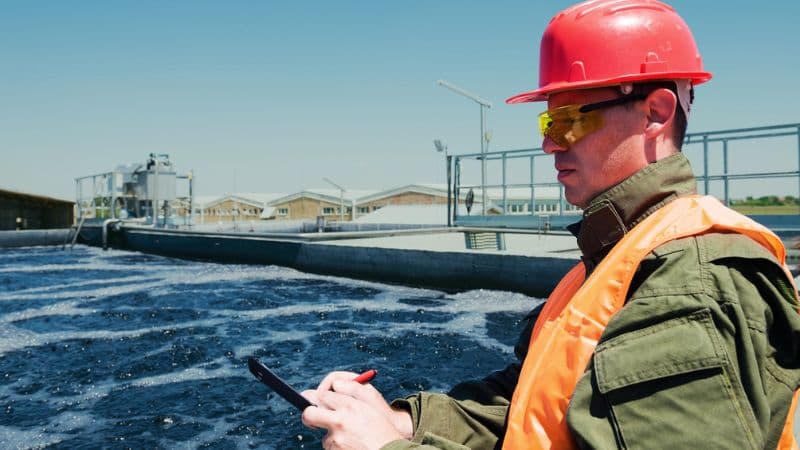
Engineers across the Mid-Atlantic and South Central U.S. are witnessing tangible shifts in how infrastructure is planned, funded, and delivered.
Federal investments, particularly through the Infrastructure Investment and Jobs Act (IIJA), are continuing to change the water, wastewater, and civil engineering industry, bringing new opportunities, new demands, and urgent hiring needs.
According to Oscar Wigley, Associate Vice President at LVI Associates:
Whether it’s a treatment plant retrofit in Maryland or a highway-widening project in rural Oklahoma, public sector infrastructure funding is changing the way firms think about talent, timelines, and team structures.
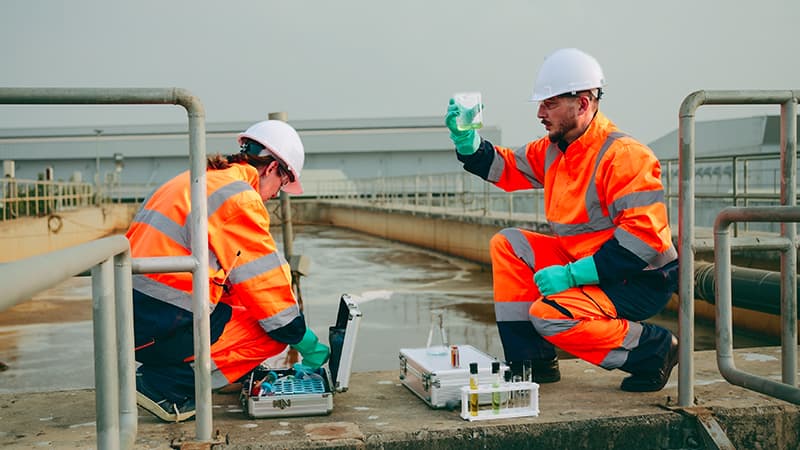
Mid-Atlantic: Water and wastewater acceleration
With billions flowing into Virginia, Maryland, and Washington DC, utilities are pushing forward long-awaited projects:
- Chesapeake Bay restoration compliance is fueling demand for wastewater treatment upgrades.
- Stormwater resilience efforts are scaling up in urban and coastal areas.
- Small-to-mid-size utilities are investing in condition assessment and asset management.
"The firms we support are hiring across process, conveyance, and stormwater specialities,” says Oscar. “Project managers with regulatory fluency are particularly valuable as agencies navigate state and federal funding requirements."
Arkansas & Oklahoma: Civil engineering in the spotlight
In Arkansas and Oklahoma, infrastructure funding is activating a wave of civil engineering work, notably in transportation, municipal development, and rural water systems.
- Many counties in these states are focusing on:
- Roadway improvements and bridge replacements
- Water distribution and drainage upgrades
- New subdivisions and industrial site development are tied to economic growth
“What sets Arkansas and Oklahoma apart is the breadth of general civil work,” Oscar explains.
“You might be coordinating utility easements one week and overseeing construction documents for a waterline extension the next. Firms are looking for engineers with flexibility and strong local knowledge.”
There’s also rising interest in engineers who can help smaller municipalities navigate grant-funded infrastructure. “Having a PE license is often the difference between a hire and a hold,” Oscar notes. “And project managers who can lead client interactions are in short supply.”
Candidate opportunities: 2026 hiring trends
LVI Associates is seeing strong demand for:
- Project Managers and Senior Engineers (Water, Wastewater, Civil)
- PE-licensed professionals in land development and utility infrastructure
- Stormwater and conveyance engineers with design-build experience
- Engineers with condition assessment or asset management expertise
- Engineers familiar with state DOT standards (particularly for Arkansas and Oklahoma roadway projects)
Final thought
Infrastructure funding is catalysing real change, but without the right people in place, even well-financed projects can stall. Firms that proactively address their hiring strategy will be best positioned to scale operations, meet compliance goals, and deliver results on the ground.
As Oscar puts it:
This is a moment of convergence. In other words, capital, demand, and public need are all aligned. Engineering professionals who step forward now can shape how infrastructure evolves in their region for the next decade.
If you're hiring or exploring your next water/wastewater role in the Mid-Atlantic or Arkansas/Oklahoma civil markets submit your CV here to get in touch with LVI Associates.