

February 20264 min read
River Accountability Is Here, Can Utilities Keep Up
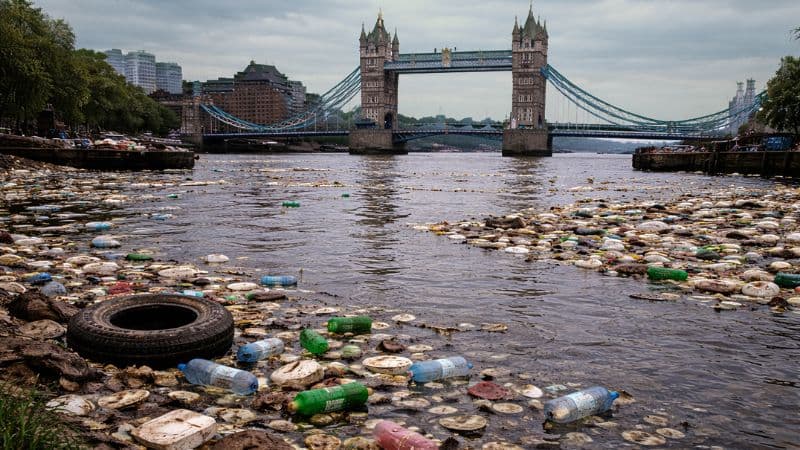
River pollution is accelerating across the UK and the United States, and utilities are operating under scrutiny that did not exist a decade ago. Sewage spills, sediment transport, nutrient overload, and algal blooms are placing sustained pressure on freshwater ecosystems that support biodiversity, drinking water supplies, and regional economies. Public confidence has weakened as monitoring data and investigative reporting expose the scale of contamination. Regulators are responding with tighter enforcement, higher penalties, and, in some cases, direct accountability for executive leadership teams. Environmental performance now sits at the centre of corporate risk management and long-term infrastructure planning.
Rising regulatory pressure in the UK and the United States
In 2024, independent water testing found that 83% of English rivers showed signs of high pollution, largely linked to sewage and agricultural waste contamination. Government reporting continues to show long-term nutrient and ammonia challenges across monitored river stretches.
Recent UK legislation now allows regulators to hold water company executives personally accountable for serious environmental breaches, shifting risk from corporate fines to individual liability. Enforcement activity has increased as public pressure intensifies and scrutiny of discharge data becomes more transparent.
In the United States, the Clean Water Act requires states to identify and restore impaired water bodies under Section 303(d), creating legally binding remediation frameworks. EPA monitoring data, compiled through the Water Quality Portal, tracks millions of records across rivers, streams, and lakes nationwide.
Many US utilities operate under federal consent decrees that mandate multi-year capital improvement programs to reduce combined sewer overflows and wastewater discharges. While the regulatory mechanisms differ, the direction is aligned across both countries; utilities must demonstrate measurable environmental improvement.
Structural pressure on river systems
River systems face overlapping stressors that compound over time. Ageing wastewater infrastructure struggles to cope with population growth and increasingly intense rainfall events. Agricultural runoff introduces high levels of nitrogen and phosphorus into major watersheds, contributing to harmful algal blooms and hypoxic zones downstream. Urban expansion increases sediment transport into rivers, degrading habitats and water clarity.
These pressures reduce dissolved oxygen levels, disrupt aquatic ecosystems, and increase treatment complexity for downstream drinking water facilities. Utilities must now manage watershed-wide risk rather than focusing only on treatment plants and pipe networks. That requires better data, predictive modelling, and long-term strategic planning.
Climate change as a force multiplier
Climate volatility is amplifying existing weaknesses across water infrastructure. More intense rainfall events are increasing the frequency and volume of combined sewer overflows, pushing ageing systems beyond their original design capacity. At the same time, prolonged dry periods reduce river flows, concentrating pollutants and worsening water quality during low-flow conditions. Infrastructure networks built decades ago were not engineered for this level of variability.
For utilities, this creates a dual risk environment. Storm events heighten overflow exposure and regulatory scrutiny, while drought conditions increase ecological stress and treatment complexity. Climate modelling, hydraulic forecasting, and long-term resilience planning are no longer optional capabilities. Utilities now require hydrologists, predictive modellers, and climate risk specialists who can integrate future scenarios into present-day asset strategies. Without that expertise, infrastructure investment decisions risk being misaligned with the conditions they are intended to withstand.
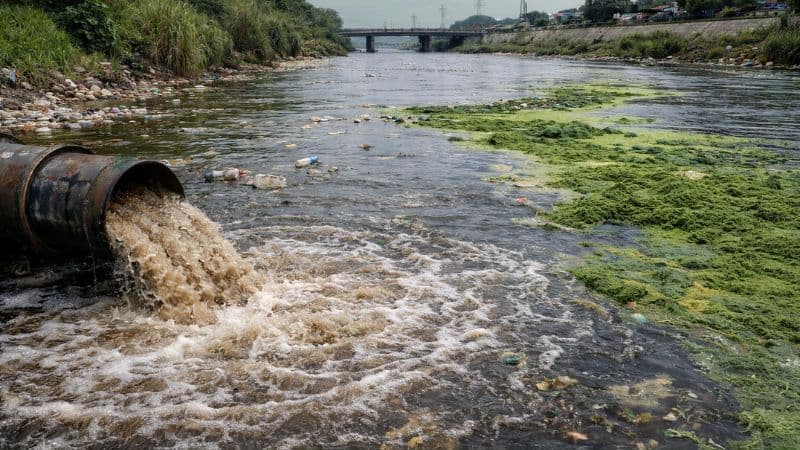
From reactive monitoring to predictive environmental intelligence
Traditional monitoring relied heavily on periodic sampling and retrospective reporting. These approaches often missed short-duration pollution events during storm conditions, leaving utilities reacting after ecological damage had occurred. Under modern enforcement regimes, delayed detection increases regulatory exposure and reputational harm.
Digital monitoring technologies are reshaping river management. Embedded sensors collect high-frequency data on dissolved oxygen, turbidity, nutrients, temperature, and pH. Satellite imagery provides watershed-scale insight into sediment plumes and algal bloom development. AI-driven models integrate rainfall forecasts, hydraulic network behaviour, and asset condition data to predict overflow risks before incidents occur. Utilities can adjust operations proactively, prioritise capital investment based on evidence, and strengthen regulatory reporting through continuous data visibility.
Industry research reinforces this shift. The SWAN Forum’s report From Data to Trust: Shaping Our Rivers’ Future argues that rebuilding public confidence depends on transparent, real-time data and predictive digital tools that move utilities from reactive response to proactive stewardship. The link between environmental data transparency and trust is becoming central to regulatory and public expectations.
Technology has advanced rapidly. The constraint is no longer hardware availability; it is workforce capability.
The growing water workforce gap in 2026
The water sector faces a significant talent shortfall at the same time environmental expectations are rising. In the UK, the industry has stated it will need to recruit up to 50,000 new employees by 2030 to meet infrastructure and operational demand. Reports also suggest that as many as 70% of current UK water workers are considering leaving the sector within two years, intensifying succession challenges.
In the United States, the scale is comparable. The US water utility sector employs more than 300,000 workers, yet approximately one-third of operators are expected to retire within the next decade. Estimates indicate utilities must recruit roughly 9,000 new water treatment operators annually to replace retirees and maintain service levels.
This workforce gap affects traditional operational roles and the newer digital and environmental functions required for predictive river management.
Hiring is now a compliance and risk decision
Environmental performance now affects executive liability, bond ratings, insurance costs, and access to capital. Regulators in both the UK and the United States are increasing enforcement activity, and investors are scrutinising governance and long-term resilience more closely. Utilities that cannot demonstrate credible environmental controls and qualified leadership teams face rising financial and reputational exposure.
The cost of inaction is material. In the US, consent decrees often require capital programs valued in the hundreds of millions or billions of dollars. In the UK, enforcement penalties and mandated remediation programs can significantly affect balance sheets and dividend policy. Delays caused by talent shortages increase the risk of repeat violations, compounding fines, and regulatory intervention.
Competition for talent is also intensifying. Utilities now compete with climate tech firms, infrastructure investors, consultancies, and analytics companies for hydrologists, environmental data scientists, and compliance leaders. These sectors often move faster and offer stronger compensation structures. Utilities that rely on traditional hiring approaches risk losing critical expertise.
Workforce strategy is now part of enterprise risk management. Organisations expanding digital monitoring capability or delivering large-scale infrastructure programs should request a call back from LVI Associates to secure the engineering, environmental, and data talent required to meet today’s regulatory expectations.
Let’s talk talent
Request a call back and one of our experienced consultants will get in touch to discuss your hiring requirements.
Advancing your career
Want to be one step ahead in your career? Our industry experts have the relationships and global reach to realize your full potential.