

March 20263 min read
How Digital Tools Are Changing Hiring Needs in MEP Engineering
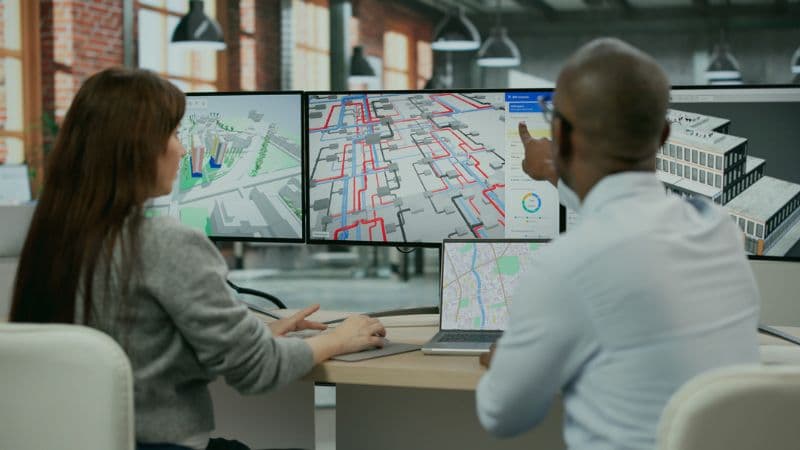
Mechanical, electrical, and plumbing (MEP) engineering has entered a period of rapid digital transformation. From advanced building modelling platforms to predictive energy analytics, new technologies are reshaping how buildings are designed, constructed, and operated.
For organizations across the built environment, this shift is not only affecting project delivery it is also redefining the skill sets required within MEP teams.
As firms adopt new digital tools, hiring strategies must reflect a workforce that combines engineering expertise with data-driven capabilities.
Digital adoption is accelerating across the built environment
Digital engineering tools are becoming standard across the architecture, engineering, and construction (AEC) ecosystem.
According to industry research:
- Over 70% of AEC firms now use Building Information Modelling (BIM) in some form
- Digital twin technology adoption is expected to grow by more than 30% annually through 2030
- Smart building technology spending is projected to reach over $120 billion globally by 2026
These platforms improve coordination between disciplines, enable earlier clash detection, and support performance modelling across the building lifecycle.
For MEP teams, this means traditional engineering knowledge must increasingly sit alongside digital delivery expertise.
BIM and digital design are redefining engineering roles
BIM has moved from a specialist capability to a core component of project delivery.
Modern MEP teams frequently rely on platforms such as Revit, Navisworks, and digital coordination tools to model building systems and collaborate with architects, structural engineers, and contractors in real time. As a result, hiring demand is rising for professionals who can operate at the intersection of engineering and digital delivery, including:
- BIM Managers
- BIM Coordinators
- Digital Delivery Managers
- Computational Design Engineers
- MEP Design Engineers with advanced BIM capability
For organizations working on complex environments such as data centers or mission critical facilities, the demand for digitally fluent engineers is even stronger, where system coordination and performance modelling are essential to project success.
Data-driven buildings are creating new hybrid skill sets
Beyond design tools, building performance technologies are introducing new layers of data into the engineering process.
Energy modelling software, IoT sensors, and building automation platforms allow operators to monitor performance in real time. Engineers are increasingly involved in analysing these insights to optimise building efficiency.
This has led to growing demand for professionals with expertise in:
- Energy modelling and building performance simulation
- Computational fluid dynamics (CFD)
- Smart building systems integration
- Building automation and controls
- Energy analytics and monitoring
Within the building services sector, engineers who understand energy systems, sustainability targets, and digital performance monitoring are playing a growing role in delivering high-efficiency infrastructure. Companies planning energy optimisation or smart building upgrades often review hiring trends across the automation and controls market as well.
The rise of digital construction coordination
The digitalization of construction has also introduced new roles within the delivery phase of projects.
Virtual Design and Construction (VDC), digital scheduling platforms, and automated clash detection tools now support coordination between trades and project teams before construction begins.
According to McKinsey, large construction projects typically take 20% longer than scheduled and run up to 80% over budget, highlighting why many firms are investing in digital tools to improve project coordination.
As a result, organisations are increasingly building teams that include:
- VDC Managers
- Digital Construction Managers
- MEP Preconstruction Specialists
- Automation and controls engineers
These professionals help improve project efficiency, reduce rework, and streamline collaboration across multidisciplinary teams.
Talent shortages are widening the digital skills gap
While adoption of digital tools is accelerating, the supply of professionals with both engineering and digital delivery experience remains limited.
Many companies report that finding engineers with advanced BIM or computational modelling skills can significantly extend hiring timelines. This challenge is particularly visible in sectors with complex building systems, including:
- Mission critical and data center infrastructure
- Healthcare facilities
- High-performance commercial buildings
- Energy efficiency and retrofit projects
Firms that invest early in digital engineering capabilities are often better positioned to secure projects that demand advanced modelling and coordination. However, building these teams requires access to professionals with highly specialised technical backgrounds.
Building digitally capable MEP teams
For engineering consultancies, contractors, and developers, hiring strategies are shifting toward a mix of traditional engineering expertise and digital capability.
Successful organisations are typically focusing on three areas:
1. Hiring engineers with digital design experience
Professionals with strong BIM coordination and modeling experience are increasingly essential across MEP design teams.
2. Expanding digital delivery leadership roles
Many firms are introducing BIM leadership, VDC management, or digital engineering roles to support large-scale projects.
3. Investing in cross-disciplinary expertise
Engineers who combine mechanical or electrical design knowledge with automation, energy analytics, or digital modelling capabilities can add significant value across project phases.
Supporting the next generation of MEP talent
As digital tools change engineering workflows, the demand for specialists who can combine design expertise with technology capabilities will continue to rise.
At LVI Associates, we partner with organizations across the built environment to identify and secure professionals who can deliver modern infrastructure projects. Our teams support clients across the full building services lifecycle, from design engineering and digital delivery to commissioning and operations.
With a global network of engineering professionals and experience placing talent across energy and infrastructure markets, we work with companies looking to scale their teams with the skills required for the future of building design.
If you are expanding your MEP team or planning upcoming digital delivery initiatives, our specialists can provide insight into current hiring trends, compensation benchmarks, and talent availability.
Speak with our building services team today to discuss your hiring plans.
Let’s talk talent
Need the right talent for your next hire, or guidance on your people strategy? Leverage our experience to help you and your business today.
Advancing your career
Want to be one step ahead in your career? Our industry experts have the relationships and global reach to realise your full potential.