

August 2026Madeeha Khalid6 min read
The Silver Tsunami & The Water Talent Pipeline Problem
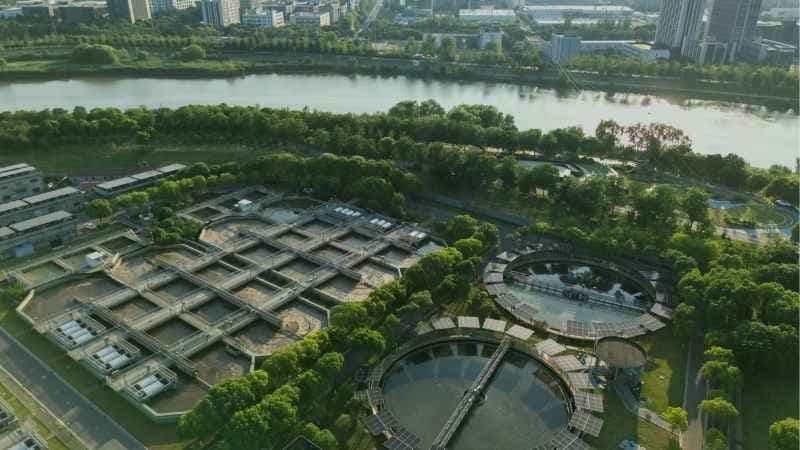
The Silver Tsunami refers to the wave of experienced professionals reaching retirement age and leaving the workforce, taking decades of technical knowledge, leadership experience and industry relationships with them. In water infrastructure, that wave is arriving at exactly the wrong time. Utilities, consultancies, contractors and data center developers need more people to maintain ageing assets and deliver major new programs, while many of the engineers, operators and project leaders they have relied on are preparing to retire.
At LVI Associates, we are seeing employers race to replace that experience while also building teams for future growth. Across our work with water and critical infrastructure clients, specialist candidate pools are tightening, the strongest professionals rarely apply directly, and slow hiring decisions give competitors time to move first.
The challenge is even greater when clients need water engineers with data center experience. These professionals sit at the intersection of two highly competitive talent markets, making an already difficult search even harder.
Ageing infrastructure is meeting an ageing workforce
Water infrastructure employers face two connected pressures. Physical assets need maintenance, replacement and modernisation, while many of the professionals who understand those systems best are nearing retirement.
The American Water Works Association identifies infrastructure renewal and replacement as a leading concern for the water sector. Delivering this work requires experienced people across engineering, operations, construction, project management and technology.
The workforce numbers add urgency. The US Environmental Protection Agency reports that roughly one-third of the water sector workforce could be eligible to retire within the next 10 years. The US Bureau of Labour Statistics also projects approximately 10,700 openings for water and wastewater treatment plant and system operators each year from 2024 to 2034, largely because people will change occupations or leave the labour force.
Replacing these employees involves more than filling empty seats. Senior professionals often hold detailed knowledge of utility standards, regulations, treatment processes, client expectations and previous design decisions. When that experience leaves without a planned handoff, projects can lose context and teams can lose a trusted source of technical judgment.
This makes early workforce planning essential. Employers need to identify roles where retirement would affect delivery, revenue or technical oversight, then decide which capabilities can be developed internally and which require outside recruitment.
One hire cannot replace an entire career
A long-serving water professional may have gradually taken responsibility for technical delivery, client management, mentoring and business development. When that person retires, every duty can end up in the replacement job description.
This often creates a role that few candidates can realistically fill. A technically strong engineer may have no interest in carrying a sales target. A regional leader may bring valuable relationships but prefer to stay away from detailed design. Another candidate may have the right leadership experience but lack one preferred license or project type.
We help clients define the business problem before taking a vacancy to market. This means separating essential requirements from experience that can be developed, supported by another team member or divided between multiple appointments.
A clearer brief gives employers a wider and more relevant candidate pool. It also gives potential hires a better understanding of what they will own, how their work will be measured and why the role matters to the business.
Our water and wastewater recruitment team uses this information to build searches around business outcomes rather than an unrealistic list of credentials.
Madeeha Khalid, Associate Vice President at LVI Associates, explains why a focused brief can make the difference when engaging senior water professionals:
The strongest brief is not the longest one. Senior candidates engage when they can see the decisions they will own, the support available and the impact they can make during their first year.
The strongest candidates are rarely on job boards
Many experienced water professionals already lead major programs, manage key accounts or have a clear route to progression with their current employer. They may consider the right move, but they are unlikely to find it through a job advertisement.
We reach beyond active applicants by mapping the relevant market and approaching professionals with the technical, regional and leadership experience a client needs. This is particularly important for senior, licensed or commercially focused positions where the available pool may be small.
Direct outreach is only part of the process. Passive candidates need a convincing reason to leave an established role. They may be interested in larger projects, more authority, flexible working arrangements or the chance to build a new team or service line.
We help clients present these factors. We also share feedback when compensation, location, reporting lines or workload expectations are limiting interest. That gives the employer an opportunity to adjust the role before valuable candidates disengage.
Water engineers for data centers are harder to find
Recruitment becomes more complex when a client needs water engineers with data center experience. These professionals operate at the intersection of water infrastructure and mission-critical construction, two markets already facing strong demand.
Data centers need reliable water strategies to support cooling, treatment, supply, discharge and environmental compliance. Candidates may need to understand cooling towers, water chemistry, liquid cooling, treatment cycles, regional water constraints and the operational demands of facilities where downtime carries a high cost.
The US Department of Energy explains that water consumption in facilities using cooling towers is directly connected to IT heat loads and cooling-system efficiency. As computing density rises and cooling systems change, water knowledge is becoming a larger part of data center planning and operations.
The problem is that experience does not always transfer neatly between sectors. A water engineer may have strong utility, treatment or permitting expertise but no background in hyperscale development. A data center mechanical engineer may understand cooling infrastructure but lack deeper knowledge of treatment chemistry, supply risk or discharge requirements.
Employers therefore need people who can connect civil, process, mechanical and environmental priorities. They must also recognise adjacent experience rather than search only for candidates who have already held an identical role.
Because we recruit across water infrastructure and data center staffing, we can assess candidates from both markets. We identify transferable skills, explain where additional technical support may be needed and advise clients on the availability of permanent and contract talent.
Our article on why water engineers are becoming a key hire for hyperscale projects explores how liquid cooling, water availability and compliance are changing data center hiring priorities.
Madeeha explains: “The best crossover candidates can show how a decision about water supply, treatment or chemistry could affect uptime and long-term operating risk. That combination of water expertise and mission-critical thinking is difficult to find.”
A slow hiring process gives competitors an advantage
Specialist candidates often speak with several employers at the same time. A business can offer strong projects and competitive compensation, then lose someone because interviews take too long or decision-makers provide inconsistent information.
How do we help clients prepare before candidate outreach begins? Through multiple confirmations, covering salary range, interview stages, role scope, and who the final decision-maker is. A structured process reduced avoidable delays without lowering assessment standards.
We also hear concerns that candidates may not raise directly with a hiring manager, such as questions around workload, project funding, reporting lines, or team capacity. All can influence a candidate’s decision long before an offer is made.
Sharing feedback throughout the process gives clients the opportunity to respond while candidate interest remains high, while we keep candidates informed, clarify next steps, and maintain momentum between interviews.
Recruitment should support succession and project planning
External hiring cannot replace internal development, but it can strengthen a wider succession plan. Employers should assess which employees could step into larger roles and where gaps will remain after those promotions.
Mid-level professionals need opportunities to lead meetings, manage projects and make decisions before senior colleagues retire. Knowledge transfer also needs dedicated time. It cannot be treated as an additional task for someone already carrying a full project workload.
We help clients compare internal options with the external market. A permanent search may suit a long-term technical or leadership appointment, while an interim or contract professional can provide immediate delivery capacity. Multi-hire support may be more appropriate when a company is entering a region, launching a service line or staffing a major program.
Starting before a retirement date or project award gives employers greater choice. It creates time to assess compensation, engage passive candidates and plan a handoff rather than filling a vacancy under pressure.
How we help protect the talent pipeline
The ‘Silver Tsunami’ will affect every water infrastructure business differently. Some clients need to replace retiring leaders, while others are building teams around new projects, geographic expansion or data center development.
We help employers respond by:
- Defining realistic roles around business needs
- Mapping specialist and leadership talent
- Reaching professionals who are not actively applying
- Assessing transferable water and data center experience
- Sharing market feedback on compensation and flexibility
- Structuring clear and efficient interview processes
- Supporting permanent, contract and multi-hire recruitment
Funding may approve a water infrastructure or data center program, but people still need to design, manage and deliver it. Employers that plan their hiring early will be better placed to retain knowledge, maintain capacity and compete for the specialists their projects require.
Looking for water infrastructure or data center talent?
We support utilities, engineering consultancies, contractors, developers and technology businesses with permanent recruitment & senior appointments and team builds.
If retirement, project growth or specialist skills gaps are affecting your workforce plans, request a call back from LVI Associates. We can assess the available talent market and recommend a recruitment approach based on your roles, timelines and project requirements.