Certified and In Demand: Low Voltage Physical Security Design in Data Centers
February 20265 min read
Certified and In Demand: Low Voltage Physical Security Design in Data Centers
Low Voltage Physical Security Design now sits at the core of data center resilience. Hyperscale expansion, AI driven infrastructure growth, and rapid colocation development across the US are increasing demand for engineers who can design secure, compliant, and highly resilient environments. At the same time, the available talent pool remains limited, raising hiring standards across the market.
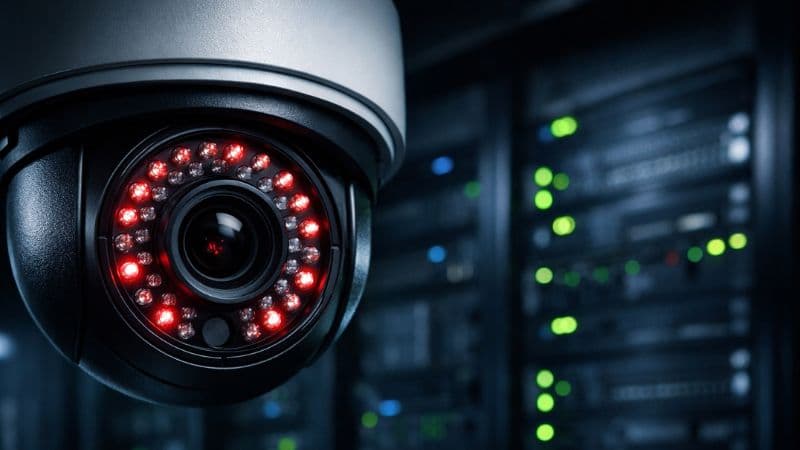
Security systems in data centers must perform at the same reliability level as power and cooling infrastructure. Access control, video surveillance, intrusion detection, and monitoring platforms must integrate seamlessly while supporting uptime requirements, regulatory compliance, and client audit expectations.
Dan Norman, Associate Vice President at LVI Associates, explains:
Effective physical security design relies on a multi‑layered approach - integrating perimeter protection, Crime Prevention Through Environmental Design (CPTED), advanced intrusion detection systems, and robust access control. With rising threats ranging from unauthorized access attempts to sophisticated physical‑cyber attacks, organizations are prioritizing resilient facility design more than ever. As a result, demand for specialized engineers and security designers capable of developing these integrated systems continues to increase.

Data center specific security challenges
Low voltage physical security design in data centers demands a higher level of precision than traditional commercial projects. Hyperscale campuses and multi-site portfolios introduce scale, redundancy requirements, and regulatory complexity that directly influence system architecture.
Greenfield developments require security planning early in the design phase to prevent integration issues during commissioning. Retrofit projects introduce additional risk because upgrades must occur within live environments. During turnover, poorly integrated systems can delay operational readiness and impact revenue timelines.
Colocation providers face strict tenant isolation requirements, including cage level access control, detailed logging, and audit transparency. Failed compliance reviews or vendor coordination gaps can create financial and reputational consequences. As physical systems increasingly operate on enterprise IT networks, engineers must also account for cybersecurity exposure and segmentation strategy as part of overall design.
Dan adds:
We regularly see the commercial impact of underqualified security design. Delays during commissioning, integration failures between vendors, and gaps identified during compliance reviews all carry financial consequences. Employers are therefore prioritizing professionals who can mitigate those risks through structured design and recognized standards.
What we are seeing at LVI Associates
From our position in the market, hiring behavior is shifting. Clients are engaging earlier in the construction lifecycle to secure experienced low Voltage Physical Security Design professionals, particularly for hyperscale builds and multi-site expansion programs. We are also seeing stronger preference for certified candidates at mid and senior levels, as operators focus on reducing commissioning risk and strengthening audit readiness.
Dan comments:
Clients are planning talent acquisition alongside construction schedules, and they are prioritizing individuals who can operate confidently in high accountability environments.
This reflects a broader shift where physical security is integrated into long-term infrastructure strategy rather than treated as a downstream function.
Why certifications matter
In a market defined by complexity and accountability, certification provides a clear benchmark of capability. Employers managing hyperscale deployments and multi region portfolios use certification as a risk management tool during hiring, particularly where project scale and regulatory scrutiny are high.
The PSP certification validates expertise in threat assessment, integrated system design, procurement oversight, and lifecycle management. It demonstrates the ability to translate risk modeling into practical architecture, which is essential when security systems must withstand operational stress and regulatory review. For many organizations, PSP is expected for senior design engineers leading complex deployments.
The CPP certification focuses on governance, enterprise risk management, investigations, and strategic leadership. As data center portfolios expand, CPP level knowledge becomes increasingly relevant for professionals overseeing regional security programs and compliance frameworks. In larger organizations, CPP is often viewed as a requirement for director level oversight.
From a hiring and organizational perspective, certifications deliver measurable advantages:
- Independent validation of structured technical and strategic expertise
- Reduced commissioning and compliance risk
- Stronger credibility during client audits and RFP processes
- Alignment with enterprise governance standards
- Clear benchmarks for promotion and leadership eligibility
In competitive hiring processes, accreditation often determines who advances. For operators bidding on new data center developments, certified internal teams also strengthen external credibility.
Salary outlook for Low Voltage Physical Security Design
Demand across the US data center market continues to drive competitive compensation for professionals specializing in Low Voltage Physical Security Design.
Salary guide ranges:
- 0–5 Years: $75,000–$105,000
- 5–10 Years: $95,000–$130,000
- 10–15 Years: $120,000–$150,000+
With PSP
- 5–10 Years: $105,000–$155,000
- 10–15 Years: $135,000–$170,000+
With PSP and CPP
- 5–10 Years: $115,000–$160,000
- 10–15 Years: $145,000–$190,000
These compensation bands shift based on geographic market, and data center concentration by state. Regions with dense hyperscale development or high colocation activity often command higher salary ranges.
For organizations seeking a detailed state by state salary guide for Low Voltage Physical Security Design roles, request a call back from our team. At LVI Associates, we provide location-specific compensation benchmarks and hiring insight based on active market data.
Looking ahead
Demand for Low Voltage Physical Security Design expertise in data centers will continue to grow as hyperscale expansion, AI infrastructure investment, and regulatory oversight increase across the US. Security systems are becoming more integrated, more scrutinized, and more closely aligned with enterprise risk management, raising expectations for technical precision, commissioning discipline, and certified expertise.
If you are looking to hire Low Voltage Physical Security Design professionals, speak to our team to discuss your project pipeline, commissioning timelines, and state specific hiring requirements. We provide market insight, compensation benchmarks, and access to certified talent aligned with data center standards.
If you have experience in Low Voltage Physical Security Design within data centers, now is the time to position yourself strategically in the market. Register your resume below to gain access to current and upcoming opportunities across hyperscale, colocation, and engineering consultancy environments. We work directly with organizations looking for professionals who understand mission critical security design and can deliver at scale.