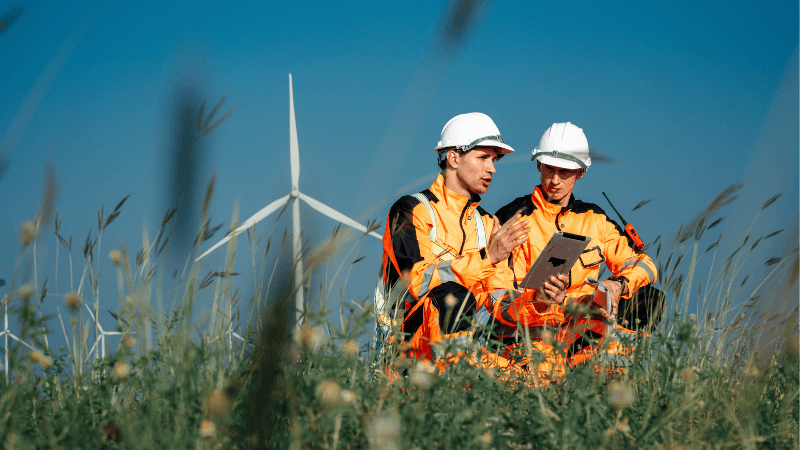
March 2026Harry Morgan3 min read
Germany’s Clean Energy Push Meets a Hiring Challenge
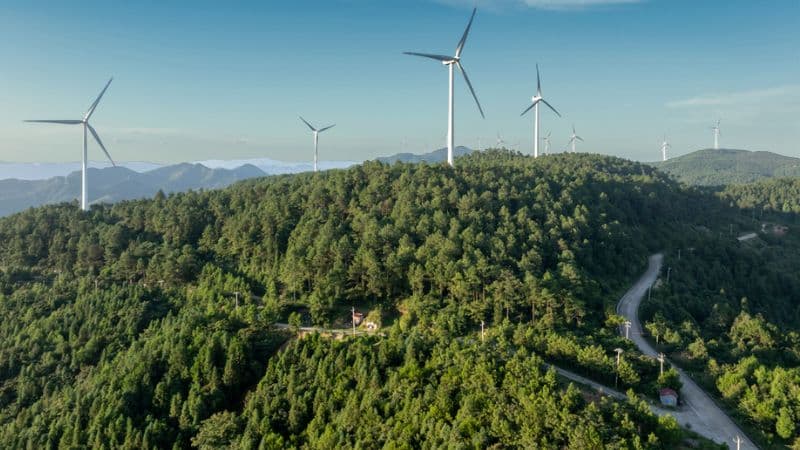
Berlin's renewable energy situation reflects Germany’s wider transition, but the city operates under very different constraints. In 2025, renewable energy covered around 55.3% of Germany’s electricity consumption, driven by continued expansion in wind and solar. Berlin itself contributes only a small share of that generation due to its density and limited space, meaning it relies heavily on surrounding regions like Brandenburg for large-scale supply while focusing on how energy is managed and distributed.
Berlin’s role in Germany’s energy transition
Germany’s energy mix has shifted significantly, with wind and solar now forming the backbone of the system. In 2025, wind accounted for roughly 27% of electricity generation and solar around 18%, making them the dominant renewable sources. Berlin’s role sits on the demand and systems side, where grid infrastructure, storage, and digital optimisation are becoming more important as renewable penetration increases.
As more intermittent energy enters the system, balancing supply and demand becomes more complex. This is driving investment into grid modernisation and energy management systems, which require a more specialised and increasingly digital workforce to operate effectively.
Solar and decentralised energy growth
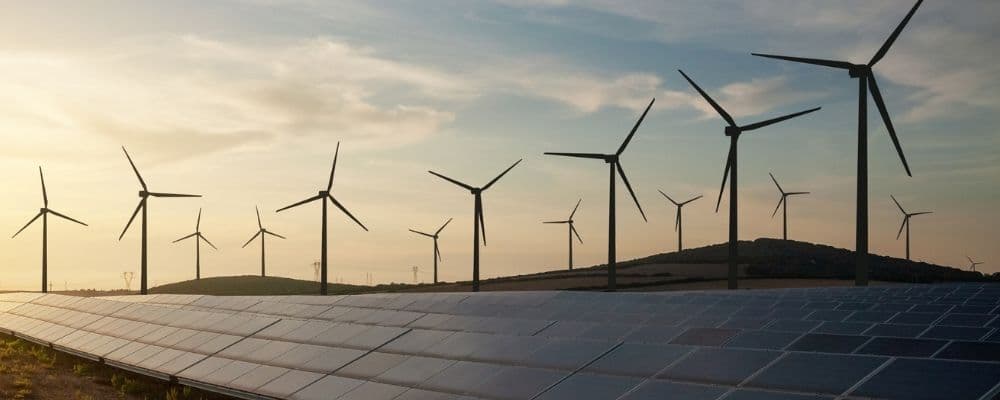
Growth in Berlin is driven by decentralised energy rather than large-scale projects. Germany added 17.9 GW of solar capacity in 2024 and a further 4.65 GW in early 2025, with a large share coming from rooftop installations. This aligns with Berlin’s structure, where scaling depends on deploying thousands of smaller systems across buildings rather than building utility-scale sites.
This shift changes the nature of delivery. It increases demand for installation, integration, and maintenance across distributed systems, placing more pressure on technical and operational roles that directly enable deployment.
Talent demand is accelerating
The scale of the transition is driving sustained hiring demand across Germany. Renewable energy is expanding beyond electricity into heating, mobility, and infrastructure, increasing the need for talent across engineering, construction, and digital functions. While overall growth between 2024 and 2025 has remained relatively stable in terms of installed capacity, our analysis shows that the limiting factor is no longer expansion targets, but the availability of skilled talent to deliver against them.
In Berlin, this demand is broad and interconnected. Companies are hiring electrical engineers, project managers, and software developers simultaneously, and gaps in one area can delay progress across entire projects. This means that even where investment and project pipelines remain strong, delivery can slow due to workforce constraints. Talent is no longer a support function, it is directly tied to execution, timelines, and the ability to scale.
The talent shortage is now the main constraint
The challenge is not demand, it is supply. Germany is projected to face a shortage of up to 300,000 workers in the renewable sector by 2030, and this gap is already affecting project timelines.
The shortage is structural. Training pipelines have not kept pace with demand, particularly in technical and vocational roles. Electricians, installers, and technicians remain in short supply, and these are the roles that determine how quickly infrastructure can actually be deployed.
At the same time, competition for talent is intensifying. Automotive companies transitioning to EVs, critical infrastructure projects, and tech firms are all targeting the same talent pools. This leads to longer hiring cycles, rising salaries, and increasing difficulty securing experienced professionals.
As Harry Morgan, Senior Consultant at LVI Associates explains:
Hiring in this market is difficult because demand has scaled faster than the talent pipeline. You are not just competing with other renewable firms but grid operators, consultancies, major construction firms and specialised market players. The real challenge is that the skill sets are evolving faster than the workforce can adapt and grow.
What this means for businesses
Businesses operating in Germany are being forced to rethink how they approach hiring. Waiting for fully qualified candidates is no longer effective in a market where demand consistently exceeds supply. Companies are expanding internationally, targeting adjacent industries, and prioritising transferable skills.
There is also a shift towards building talent rather than buying it. More organisations are investing in training, upskilling, and early engagement to secure talent before competitors. This requires more planning, but it reduces exposure to delays caused by talent shortages.
Harry highlights:
Companies that are only aiming to hire fully qualified candidates in the top 5% of available talent are falling behind. The market has shifted; you need to hire for potential, invest in development, and move faster than you’re used to. The businesses that adapt their hiring strategy and are prepared to train their workforce are the ones that will keep projects moving.
Germanys renewable energy outlook
Berlin’s renewable energy situation will continue to evolve as Germany pushes towards its 2030 targets, including 80% renewable electricity in the power mix. Investment is increasing, solar and wind capacity are scaling, and decentralised systems are becoming more widespread.
The difference now is execution. Companies that secure talent early will deliver projects faster and scale ahead of competitors, while those that delay hiring will face longer timelines and higher costs. In a market already facing significant workforce shortages, hiring has become a forward strategy rather than a reactive process.
At LVI Associates, we specialise in renewable energy and infrastructure talent, working closely with businesses across Germany to identify hiring gaps early and secure the people needed to deliver projects at pace. Our focus is on hard-to-find skill sets across engineering, project delivery, and energy technology, with access to both active and passive talent pools that are not visible through traditional hiring channels.
We have supported organisations across Europe in building high-performing teams for solar, wind, and grid projects, from early-stage hires through to full project delivery teams. You can view examples of this through our notable placements.
If you are planning growth in Germany’s renewable sector, the question is not if talent shortages will affect you, it is when. The businesses that act early will have a clear advantage.
If you want a clear view of where talent gaps will impact your business and how to secure the right people ahead of demand, request a call back and our consultants at LVI Associates can map it out with you.