January 2026Wen Ting Chua
Top Countries Hiring for Renewables Jobs in 2026
Hiring for renewables talent is already happening at scale. Momentum accelerated in the second half of 2025 and hasn’t slowed, as energy systems respond to grid strain, extreme weather, and rising demand for clean, reliable power. As renewable energy projects accelerate, expand, and evolve, demand is growing for skilled professionals across solar, wind, energy storage, and grid infrastructure. And certain countries are leading the way. At LVI Associates, our renewable energy talent consultants work across global markets where hiring demand continues to rise. We support teams delivering solar, wind, energy storage, and grid infrastructure projects by connecting them with skilled professionals across engineering, construction, project delivery, and technical leadership roles.
What we are seeing consistently is that renewable hiring is no longer limited to installation phases. Employers are building multi-year workforce strategies that reflect grid resilience, long-term system performance, and increasing exposure to climate risk, reshaping how and when roles are hired across the full project lifecycle.
China continues to lead renewable hiring at scale
“China’s renewables workforce is being driven by scale rather than short-term policy cycles,” says Wen Ting Chua, Principal Consultant at LVI Associates.
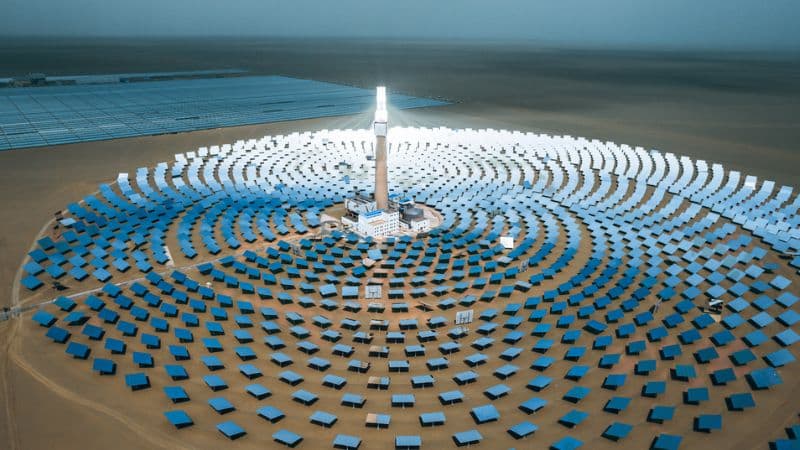
The volume of solar, wind, storage, and grid projects moving simultaneously creates sustained demand across engineering, manufacturing, and system integration. Even with coal still present in the wider energy mix, investment and hiring in renewables continue to outpace every other market globally because the infrastructure build-out is constant and long-term.
Record solar and wind capacity additions through late 2025 supported strong hiring across manufacturing, electrical engineering, grid integration, and asset operations. China’s vertically integrated supply chain continues to underpin employment across component production, electrical design, quality assurance, commissioning, and long-term operations. This structure creates consistent demand for skilled professionals rather than project-by-project hiring spikes.
Climate-related disruption has reinforced this trajectory. Flooding, prolonged heat events, and hydropower volatility over recent years exposed regional supply risks and placed added pressure on grid resilience. In response, utilities and developers have accelerated solar and wind deployment alongside large-scale grid upgrades. Hiring demand continues to rise for power systems engineers, grid planners, protection and control specialists, and digital network experts capable of managing system stability at national scale.
United States hiring shifts toward grid and resilience
The United States remains one of the top countries for renewables jobs, but hiring patterns have evolved since the Trump Administration. While solar and wind construction roles remain active, the strongest growth is now tied to grid modernization, battery storage, and system resilience. Extreme weather events in 2025, including hurricanes, wildfires, and prolonged heat waves, placed major strain on transmission and distribution networks and accelerated investment in grid reinforcement.
Utilities and developers are expanding teams focused on storage integration, grid automation, and demand management. Manufacturing investment is also supporting renewable hiring across engineering, quality, and operations. Together, these shifts reflect a broader transition from rapid build-out toward long-term system reliability and performance.
India emerges as a high growth hiring market
India has become one of the fastest-growing markets, driven by rapid solar and wind deployment and long-term government targets. Large-scale renewable projects delivered through 2025 translated directly into workforce expansion across engineering, construction, commissioning, and operations. Capacity additions continue into 2026, supported by both public and private investment, sustaining strong hiring momentum across multiple regions.
The renewable energy sector in India currently employs around 1.2 million people, representing 20% of the country’s total workforce in sustainability-related industries. This figure is expected to rise sharply, with projections estimating the sector will employ 3 million people by 2030 as renewable capacity continues to scale. This growth is not limited to project delivery roles. It also includes manufacturing, grid operations, asset management, and system planning, reflecting a more mature and diversified renewable labor market.
Solar manufacturing expansion has further increased demand for process engineers, electrical specialists, and supply chain professionals. Climate volatility, including heat stress and monsoon variability, has strengthened the focus on energy diversification and grid reliability. As a result, demand continues to grow for professionals with experience delivering renewable projects at scale and operating within complex grid environments.
Europe faces skills pressure despite strong investment
Germany and the wider European Union remain core renewable hiring markets, but in 2026 the defining issue is labor availability. Wind, solar, and transmission projects continue to move forward under long-term policy frameworks, yet skills shortages are slowing delivery across multiple countries.
Across Germany and neighboring EU markets, what we are seeing at LVI Associates is prolonged time-to-hire for electrical engineers, commissioning specialists, and senior project managers, particularly across onshore and offshore wind projects. Roles tied to grid connection, high-voltage systems, and late-stage project delivery are consistently taking longer to fill, even where projects are fully financed and already under construction.
United Kingdom focuses on grid expansion and offshore wind
The UK demonstrates how targeted renewable hiring can outpace broader labor market trends. While overall hiring softened toward the end of 2025, recruitment activity in renewable energy and grid infrastructure accelerated as energy security and system reliability moved higher up the agenda. Transmission operators significantly expanded staffing to support renewable integration, electrification, and large-scale grid upgrades, marking the fastest period of grid recruitment in decades. This hiring surge has been driven by the need to connect new renewable capacity while reinforcing aging infrastructure.
Wind energy remains a major employment engine within the UK renewable sector. Around 55,000 people now work in the UK wind industry, including approximately 40,000 roles in offshore wind, reflecting the scale and maturity of the market. Offshore wind continues to drive long-term employment across engineering, asset management, operations, and digital monitoring as projects transition from construction into multi-decade operational phases
Storm activity and coastal flooding toward the end of 2025 added urgency to offshore resilience planning, highlighting exposure across subsea cables, offshore substations, and coastal grid connections. As a result, demand has increased for professionals with experience in offshore electrical systems, marine operations, asset integrity, and working in high-risk operating environments, reinforcing offshore wind’s role as a stable long-term employer into 2026.
How LVI Associates supports renewable hiring globally
Support is available for both permanent and project-based recruitment, aligned with long-term workforce planning rather than short-term demand. This includes roles across engineering, project delivery, grid systems, and technical leadership, with opportunities spanning high-growth regions globally.
For professionals exploring their next move, discover our renewable energy jobs and renewable energy insights. Register your resume to access roles that are not widely advertised.
Looking to hire?
Request a call back today and one of our experienced consultants will connect you with renewable energy talent aligned to your project, timeline, and delivery requirements.