December 2025Grace Goldberg
Upstate New York’s Data Center Opportunities
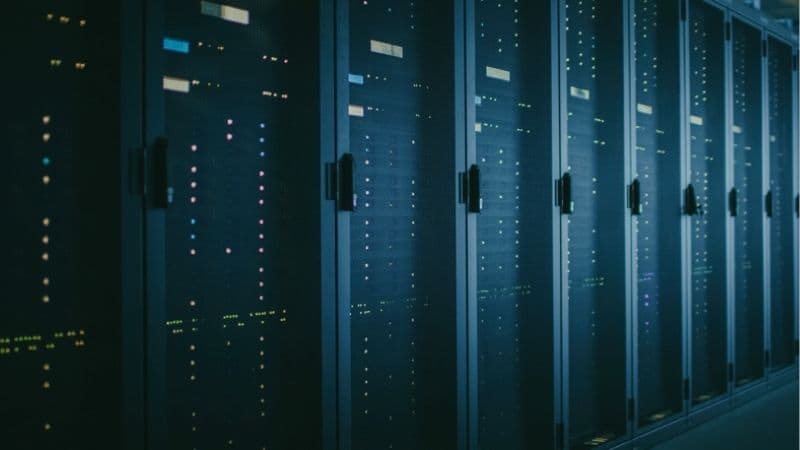
Upstate New York data center development keeps accelerating. Operators choose the region because it offers large industrial buildings, long-standing grid infrastructure, and access to hydropower. Older mills, factories, and heavy manufacturing sites provide wide floor plates, strong foundations, and electrical connections that shorten project timelines. These buildings sit close to transmission, which lowers delivery risk and upfront cost.
Developers prefer conversions because they can use the structural footprint already in place and focus investment on electrical upgrades, cooling systems, and reinforcement. This reduces capital outlay and brings activity back to long-idle sites. With national demand for compute rising, the region is drawing interest from hyperscalers, colocation providers, and private investors.
Key locations driving data center development
Upstate New York already has several high-value sites that demonstrate this trend. STAMP in Genesee County is a 900,000 sq ft, 250 MW project with a 600 MW substation under development. The Lockport Campus near Buffalo includes more than 400,000 sq ft of former Yahoo facilities with up to 44 MW of capacity. Western New York’s industrial belt holds dozens of former mills, grain complexes, steel sites, and heavy manufacturing buildings that offer the right structural footprint for conversions. Rochester, Syracuse, and Utica also have old industrial buildings with the scale and power access that operators look for.
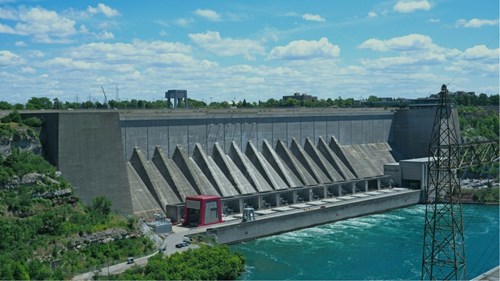
Hydropower strengthens the appeal of many regions across Buffalo and Niagara Falls. While hydropower alone does not meet full load, it adds low-carbon energy into the mix and supports long-term demand. As these projects grow, local governments have started revisiting zoning and long-term planning. Communities want clarity on how energy use, infrastructure upgrades, and economic return will be managed. These reviews help shape development in ways that protect households and support future investment.
Why investors see opportunity in the region
From an investor’s perspective, upstate New York offers the right mix of building stock, power access, and low acquisition cost. The economics work for companies that need to scale fast.
Grace Goldberg, Senior Vice President in Building Services at LVI Associates, puts it clearly:
Upstate New York offers scale, power access, and an industrial history that fits modern digital infrastructure. It gives operators room to grow and creates the chance for the region to set higher standards for the next generation of data centers.
What to consider before converting legacy buildings
Older mills and factories were never designed for the power density, cooling requirements, or structural load of modern data centers. Electrical systems often need major upgrades, including new switchgear, higher-capacity feeders, modern grounding, and substation improvements. Cooling limitations become a second issue because older buildings may lack the volume, roof load, or mechanical layout needed for high-density compute. Structural constraints also matter since heavy data halls place concentrated loads that older floors cannot always support without reinforcement.
Connectivity adds another layer of complexity. Some sites lack diverse fiber routes or carrier presence, which adds cost and delays. Fire protection and safety systems usually require replacement since older sprinklers and fireproofing do not meet modern standards. Permitting and zoning can also slow projects because towns across the region continue to introduce rules around noise, backup generators, and energy use.
Organizations that address these factors early build stronger, more reliable facilities and avoid the cycle of constant upgrades that comes with minimal investment.
Talent challenges created by the shift
The move toward retrofitting older industrial buildings introduces a different set of talent challenges for data center operators. Retrofitting a mill or factory is not the same as building a modern facility from scratch. Many engineers and technicians have experience with one type of project but not both, which creates gaps in knowledge around legacy electrical upgrades, cooling redesign within limited space, and structural reinforcement. These skills are highly specialized, and the pool of professionals who understand older infrastructure is shrinking.
Most of the workforce entering the industry has been trained on modern systems. Older buildings rely on outdated switchgear, grounding methods, fire protection systems, and limited fiber connectivity. That means operators need people who can work safely and effectively with equipment that differs from what many engineers are used to. The shortage becomes even more visible in commissioning. Retrofitted sites require deeper testing, more troubleshooting, and longer commissioning cycles, yet commissioning specialists are already in short supply across the United States.
There is also pressure on operations teams. Operators prefer lean staffing models, but retrofitted buildings often need more hands-on work because aging infrastructure requires frequent maintenance, manual monitoring, and faster reactive response. This leads to higher workloads, especially for multi-site operators who run several converted buildings at once.
Retention becomes another challenge. When a facility is only intended to operate “until it breaks,” long-term stability becomes uncertain. Engineers and technicians hesitate to commit their careers to sites that may be abandoned once infrastructure reaches its limit. In many towns across Buffalo, Niagara Falls, Genesee County, and the Southern Tier, the local talent pool is small, so companies often need to recruit nationally. That raises salary expectations and lengthens hiring timelines. As competition increases, operators face higher labor costs and delays, which puts pressure on the fast, low-cost retrofit model.
Pathing your way with support
Repurposing old industrial buildings brings investment and reduces waste. At the same time, communities want development that supports the grid, protects energy pricing, and brings long-term value. Collaboration between operators, utilities, and local governments will shape the next phase of growth. Regions that modernize infrastructure and invest in technical talent will benefit most as demand continues to rise.
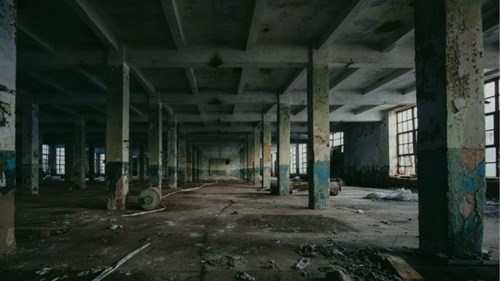
At LVI Associates, we bring a unique advantage to this work. We support hiring across every stage of retrofits and new builds. We cover electrical and mechanical design, commissioning, controls, ICT, sustainability, and long-term operations. We understand the technical differences between stabilizing aging mills and factories and building modern data centers designed for high-density workloads. Our team works closely with organizations to match them with specialists who can deliver reliable upgrades, manage critical systems, and build facilities that stand up to future demand.
If your organization is preparing for a retrofit, a hybrid upgrade, or a new data center build in upstate New York, request a call back. We can help you secure the talent needed for reliable long-term growth.