

December 2025
Building Road Charging Lanes

Road charging lanes allow electric vehicles (EVs) to charge while in motion, using inductive coils or conductive rails integrated into the road surface. As vehicles pass over these systems, they receive continuous power supply. This technology reduces pressure on fixed charging hubs and supports smaller, more efficient battery designs. With EV adoption accelerating in both the UK and the US, and grid demand increasing, charging while driving is becoming a realistic consideration for high-use routes.
How charging lanes work and why interest is rising
Inductive lanes use coils under the surface. When an EV enters the zone, the coils activate and generate a magnetic field that the vehicle converts into electrical energy. Conductive lanes use a physical pickup that connects to a powered rail in the road. Both systems depend on communication between the road and the vehicle and on grid connections that can handle rapid load changes.
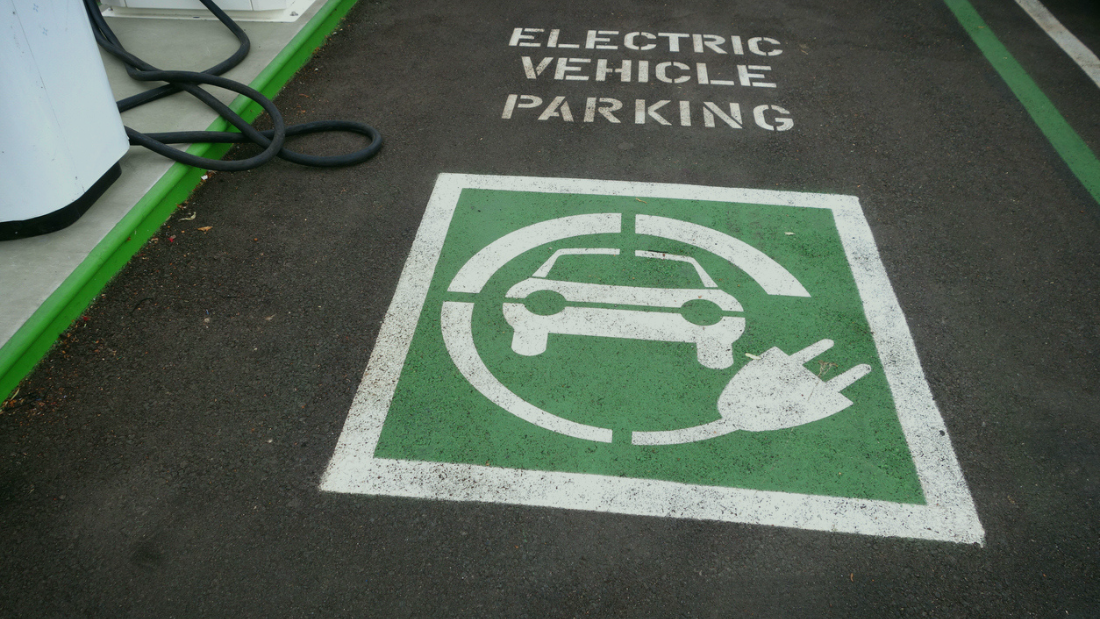
Interest is rising because EV growth is outpacing fast-charging capacity. The UK now has more than 1.7 million battery-electric cars, with EVs representing 22 to 23 percent of new sales. The network includes over 86,000 public chargers, but only 17,700 are rapid or ultra-rapid. The United States has more than 4 million EVs, yet fast chargers remain unevenly distributed, especially outside major metro areas. Dynamic charging offers a way to support rising demand without relying solely on static infrastructure.
As battery manufacturers in both regions move toward lower-mineral designs, EV batteries are becoming smaller and more environmentally friendly, yet this also limits driving range. Charging while driving offsets this without increasing vehicle weight or cost.
Pilot activity, cost and use cases
The United States is running several high-profile road charging pilots that test how inductive systems perform under real traffic conditions. Michigan’s project in Detroit is the most visible example, where an inductive roadway segment is being used to study efficiency, construction methods, durability and safety. Additional test programs across the US focus on freight routes and controlled environments where engineers can assess system performance at different speeds and loads.
US pilots center on high mileage use cases. Long-haul trucking, continuous-use bus routes and commercial fleets are the strongest fits because these vehicles cannot afford long dwell times at static charging sites. Dynamic charging helps keep schedules predictable and reduces dependency on large, heavy batteries, and while installation costs exceed those of single charging sites, road charging lanes use far less land and deliver stronger long-term value on busy routes where energy demand stays high.
Grid pressure and the impact of dynamic road charging
Dynamic road charging changes how electricity is drawn across the network. Instead of concentrated demand at fixed charging hubs, energy is pulled continuously along road segments as vehicles enter and exit charging zones. This shifts the load profile from predictable peaks to variable, real-time demand patterns shaped by traffic volume, weather, time of day and route type.
This creates several pressure points, such as:
- Higher baseline demand at substations near major corridors
- Distribution lines that may need upgrades if built for lighter loads
- The need for stronger real-time monitoring as traffic-driven demand can rise quickly
- More complex forecasting because usage depends on fleet behavior rather than fixed charging schedules
Therefore smart-grid tools have become more important. These systems control power delivery to each road segment, balance load across the network and reduce stress during high-demand periods. Without this level of control, dynamic charging can create local congestion on the grid or limit how many vehicles can use a charging lane at once.
Overall, the technology does not make grid challenges unmanageable, but it does change where stress appears and how operators must plan. Dynamic charging requires investment in visibility, automation and targeted reinforcement so road-based systems can function reliably at scale.
Public acceptance and user behavior
Public acceptance ultimately shapes adoption. Drivers question safety, reliability and vehicle compatibility, and many also assume the technology is experimental rather than practical. Pilot projects help shift these perceptions because drivers can see the system in real use.
User behavior also matters. Traffic models show how EVs enter and exit charging lanes, how speeds change and how merging patterns affect flow. If a lane causes hesitation or unpredictable movements, congestion increases. This is why traffic and transport engineers work closely with hardware teams early in the design stage.
The roles needed to deliver charging lanes
Road charging lanes rely on specialist skills across power engineering, transport design and digital systems. Each role supports a critical part of the system, and the technology only works when these disciplines align:
- Power Systems Engineers design high-voltage connections, protection schemes and the electrical layout for each charging segment.
- EV Charging Systems Engineers refine inductive or conductive hardware, optimize power transfer and manage the vehicle interface.
- Civil and Structural Engineers adapt road surfaces to house embedded components and manage long-term durability under heavy traffic.
- Controls and Embedded Software Engineers build the communication layer that activates road segments, manages energy flow and coordinates vehicle-to-road signals.
- Traffic and Transport Engineers analyze driver behavior, lane safety and merging patterns to shape how charging lanes operate within the broader network.
- Grid Connection Specialists secure electrical capacity, plan substation upgrades and coordinate with utilities.
- Project and Program Managers align all disciplines, manage risk and oversee delivery across multi-year timelines.
- Regulatory and Standards Specialists guide compliance, interpret evolving rules and support approvals for construction and operation.
The global talent pipeline challenge
Talent shortages are not limited to any one country. Globally, demand for specialists in power engineering, civil construction, grid-connection work and EV-focused system design continues to outpace supply. Many regions face an aging engineering workforce and limited training pipelines for next-generation mobility skills. Competition from other energy sectors, including renewables and data center growth, adds further pressure by pulling from the same talent pool.
This shortage affects every stage of dynamic charging development. Designers with experience in inductive or conductive systems are scarce. Grid engineers who understand high-voltage integration and real-time load management are in high demand. Civil teams familiar with embedded road systems are also limited, especially in regions where this technology is new. As more countries push for large-scale EV infrastructure, the gap between project demand and available skill will grow.
Early workforce planning becomes essential. Funding, permits and technology are not enough if teams cannot secure the specialists needed to design, build and operate dynamic charging systems. Without a strong talent pipeline, projects risk delays, higher costs or reduced performance, regardless of how ambitious the infrastructure plan may be.
Why organizations partner with LVI Associates
At LVI Associates, we help clients source talent across energy, transportation and emerging EV technologies. Companies partner with us when they need engineers and leaders who understand the technical, regulatory and delivery demands of complex projects, and during the early planning stages when workforce strategy takes shape. If you are preparing EV infrastructure programs, request a call back today. Our talent consultants can outline current skill availability and help build a recruitment plan that supports long-term delivery.