

November 20266 min read
Battery Storage Grid Integration Challenges: What UAE Developers Can Expect in 2027
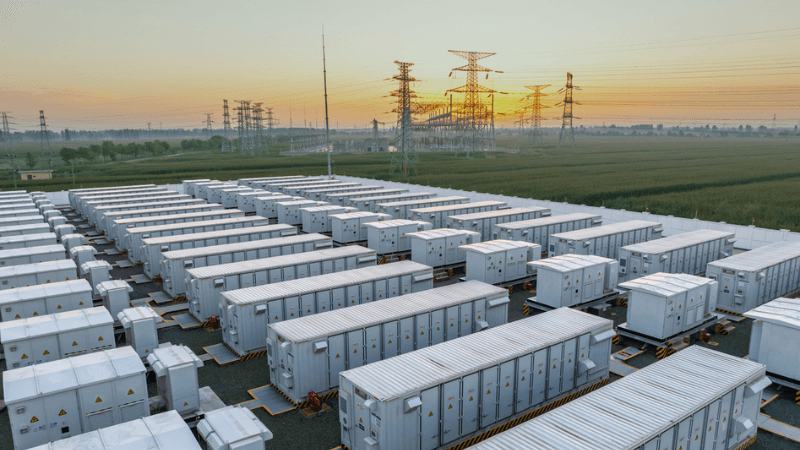
Battery storage grid integration is becoming an increasingly important consideration for renewable energy developers in the United Arab Emirates (UAE), as the country accelerates investment in large-scale solar power and energy storage infrastructure. With major battery energy storage systems (BESS) progressing through development and construction, 2027 is expected to bring new technical and commercial challenges for companies responsible for integrating these facilities into existing electricity networks.
As the UAE expands its renewable energy capacity, developers must address the engineering requirements associated with connecting large-scale battery storage projects, maintaining grid stability, and coordinating increasingly complex infrastructure. Although investment in energy storage is creating opportunities across the sector, successful project delivery will depend on how effectively developers manage technical requirements, equipment integration, and construction schedules.
Why is battery storage becoming increasingly important in the UAE?
Battery energy storage systems are becoming an important component of the UAE's renewable energy strategy, supporting the integration of solar generation and improving electricity system flexibility. With solar power playing an increasingly significant role in the country's energy mix, battery storage provides a way to manage fluctuations in electricity generation and deliver power during periods when solar output is limited.
The UAE's investment in energy storage reflects its wider ambition to increase clean energy capacity and support long-term electricity demand growth. Major infrastructure developments, industrial expansion, and growing demand from data centers are contributing to the need for reliable electricity supplies, while national energy objectives are encouraging further investment in renewable technologies.
In May 2026, Emirates Water and Electricity Company (EWEC) and Masdar announced a collaboration framework supporting the accelerated development of more than 30 GW of solar photovoltaic capacity and over 8 GW of battery storage capacity. The agreement demonstrates the scale of planned investment in Abu Dhabi's renewable energy infrastructure and the increasing importance of integrating energy storage into electricity system planning.
As these projects progress, grid integration will become an important consideration for developers and engineering contractors. Large-scale battery storage facilities require detailed technical planning, coordination with electricity authorities, and investment in supporting infrastructure to operate reliably within existing networks.
How is Abu Dhabi advancing large-scale battery storage development?
Abu Dhabi is emerging as a major center for utility-scale battery storage investment, with significant projects demonstrating how solar generation and energy storage can be combined to provide a more consistent electricity supply. These developments are creating new requirements for grid integration, electrical engineering, and large-scale infrastructure delivery.
One of the most significant projects is the round-the-clock renewable energy development being delivered by Masdar and EWEC. The project combines 5.2 GW of solar photovoltaic capacity with a 19 GWh battery energy storage system, designed to provide 1 GW of continuous renewable electricity.
In July 2026, Masdar announced financial close for the project, representing a total investment of approximately $6.1 billion. The development demonstrates the commercial potential of integrating large-scale battery storage with renewable generation, while highlighting the engineering complexity associated with projects of this size.
Unlike conventional solar facilities, which generate electricity according to available sunlight, the development is designed to supply electricity consistently by using battery storage to manage periods of reduced solar generation. Delivering this capability requires coordination between solar infrastructure, battery systems, power conversion equipment, and grid control technologies.
As the project advances, its technical requirements may provide important lessons for future battery storage developments across the UAE. Developers planning similar facilities will need to consider how system design, storage duration, and grid connection requirements affect project economics and operational performance.
What role will Dubai play in battery storage development in 2027?
Dubai is also increasing its investment in renewable energy infrastructure, with battery storage expected to play a greater role in supporting the emirate's clean energy ambitions. The expansion of the Mohammed bin Rashid Al Maktoum Solar Park is particularly relevant as Dubai Electricity and Water Authority (DEWA) progresses plans to integrate large-scale battery storage into future phases of the development.
In November 2025, DEWA invited proposals for the seventh phase of the solar park, which is planned to include 2,000 MW of solar photovoltaic capacity and a 1,400 MW battery energy storage system with six hours of storage duration. The proposed battery system would provide 8,400 MWh of storage capacity, making it one of the largest solar-plus-storage developments announced internationally.
According to DEWA's published development plans, the seventh phase is scheduled for implementation in stages between 2027 and 2029. This makes the period particularly relevant for developers, engineering consultancies, and contractors involved in renewable energy infrastructure.
The project will require coordination between solar generation, battery storage, grid infrastructure, and control systems to manage electricity supply effectively. As Dubai increases the proportion of renewable electricity within its energy mix, maintaining grid stability and integrating different generation technologies will remain important engineering considerations.
For developers and investors, the expansion of the solar park also demonstrates how battery storage is becoming part of wider electricity infrastructure planning. Rather than operating exclusively as standalone facilities, large-scale battery systems are increasingly being developed alongside renewable generation to support more consistent and flexible electricity delivery.
What grid integration challenges could affect UAE battery storage projects in 2027?
Although the UAE is progressing several significant battery storage developments, integrating large-scale facilities into existing electricity networks presents technical challenges. As battery capacity increases, engineers must account for how storage systems interact with power generation infrastructure, transmission networks, and electricity demand.
One important consideration is grid stability. Battery storage facilities use power conversion systems to charge and discharge electricity, requiring appropriate controls to maintain voltage, frequency, and system performance. When multiple large-scale battery facilities operate within the same electricity network, coordinating their behavior becomes increasingly important.
Transmission and substation infrastructure also influence project design. Developers must evaluate available network capacity, transformer requirements, electrical protection systems, and potential infrastructure upgrades before connecting new battery storage facilities. Where projects are located alongside solar generation, technical studies must consider how the combined systems will operate under different generation and demand conditions.
The UAE's climate introduces additional engineering considerations. High ambient temperatures can affect battery performance, thermal management requirements, and auxiliary energy consumption, making cooling systems and environmental protection important elements of system design. Developers must consider these factors alongside electrical infrastructure requirements to support reliable operations.
As battery storage projects grow in scale, these technical requirements will become increasingly important during development, construction, and commissioning. Early coordination between project developers, engineering contractors, equipment manufacturers, and electricity authorities can help identify potential integration challenges before they affect project schedules.
How could solar and battery storage integration change UAE electricity infrastructure?
Combining solar generation with battery storage is becoming an important development strategy in the UAE, particularly as utilities seek to increase renewable electricity production without compromising system reliability. By storing electricity generated during periods of high solar output, battery systems can help supply energy during the evening and other periods when renewable generation is lower.
The scale of this approach is demonstrated by the developments planned in Abu Dhabi and Dubai. Both markets are progressing major projects that integrate substantial solar generation capacity with battery storage, although their technical configurations and operating objectives differ.
For electricity infrastructure planners, these developments create opportunities to improve renewable energy integration while introducing new requirements for network management. Grid operators must consider how battery charging and discharging affect electricity flows, transmission capacity, and overall system stability.
Large-scale integration also places greater importance on digital monitoring and control technologies. Battery management systems, energy management software, and supervisory control and data acquisition (SCADA) systems support the coordination of battery operations with electricity network requirements.
Looking toward 2027, the effectiveness of these technologies will influence how successfully new battery storage projects integrate with existing electricity infrastructure. Developers that account for system controls and grid requirements during early design may be better positioned to manage technical risks as projects progress.
What challenges could affect battery storage construction and commissioning?
Beyond grid integration, the delivery of utility-scale battery storage facilities presents significant construction and commissioning requirements. Projects involving thousands of battery modules, extensive electrical infrastructure, and advanced control systems require careful coordination between engineering disciplines and equipment suppliers.
Equipment procurement can influence construction schedules, particularly where projects require specialized transformers, high-voltage components, and power conversion systems. Developers must also consider how equipment specifications align with local technical requirements and how changes during project development could affect installation and commissioning.
Testing and commissioning are particularly important because battery storage systems must demonstrate reliable operation across different charging, discharging, and grid conditions. Engineers need to verify electrical protection systems, communications infrastructure, battery controls, and the interaction between storage equipment and the wider electricity network.
For projects involving solar and battery storage, commissioning must also address how the combined systems operate under changing generation conditions. Inadequate coordination between equipment suppliers and engineering contractors can create delays when technical issues emerge during testing.
As several large-scale renewable energy developments progress toward important delivery milestones in 2027, construction planning and commissioning expertise will remain relevant to the UAE's battery storage sector.
How can UAE developers prepare for battery storage grid integration challenges in 2027?
Developers planning battery storage projects in 2027 will need to consider grid integration requirements from the earliest stages of development. Technical feasibility assessments can help identify network constraints, equipment requirements, and operational considerations before substantial investment commitments are made.
Early engagement with relevant electricity authorities is particularly important because grid connection requirements differ across the UAE's electricity systems. Developers should understand the applicable technical standards, approval processes, and operational requirements within their project locations rather than assuming a single national connection process applies to every development.
Project planning should also account for the relationship between engineering design, equipment procurement, construction, and commissioning. Large-scale battery storage facilities involve multiple technical disciplines, making coordination between project stakeholders important for managing schedules and resolving integration challenges.
Engineering expertise will remain an important part of this process. Power systems engineers, electrical design specialists, grid integration professionals, and commissioning engineers can support developers in evaluating technical requirements and preparing facilities for commercial operation.
For organizations involved in major renewable energy developments, identifying these capabilities during early project planning can help reduce exposure to technical delays. This approach is particularly relevant as the UAE progresses increasingly complex projects that combine large-scale solar generation with substantial battery storage capacity.
What does the 2027 outlook mean for UAE battery storage investment?
The outlook for battery storage investment in the UAE remains supported by large-scale renewable energy development, electricity demand growth, and the country's longer-term energy objectives. Major projects in Abu Dhabi and Dubai demonstrate growing interest in energy storage as a component of electricity infrastructure rather than a standalone technology.
However, the commercial success of future developments will depend on several factors, including project financing, technical feasibility, equipment procurement, and the ability to integrate new capacity into existing networks. Developers will also need to consider how storage duration, system performance, and operational requirements influence long-term project economics.
The scale of investment in projects such as Abu Dhabi's round-the-clock solar and battery development suggests that integrated renewable energy facilities could become an increasingly important part of future infrastructure planning. At the same time, the technical complexity of these facilities means project delivery will require coordination across engineering, construction, and electricity system operations.
As the UAE approaches 2027, attention is likely to remain focused on progressing announced developments toward operational milestones and preparing electricity infrastructure for further renewable energy expansion. Companies that demonstrate strong technical capabilities, effective project management, and an understanding of local grid requirements may be better positioned to participate in this growth.
What does the future hold for battery storage grid integration in the UAE?
Looking toward 2027, the UAE's battery storage market is entering a period of significant infrastructure development, supported by major solar-plus-storage projects and continued investment in renewable electricity generation. The scale of announced projects highlights the increasing role of battery storage in supporting electricity reliability and the country's long-term energy objectives.
However, successful deployment will depend on how effectively developers address grid integration requirements, engineering complexity, and construction challenges. As projects become larger and more technologically advanced, technical planning and coordination between electricity authorities, developers, and equipment manufacturers will play an important role in determining delivery outcomes.
The next phase of UAE battery storage development is likely to place greater emphasis on the successful integration and operation of large-scale facilities. For developers and investors, understanding grid requirements, managing technical risks, and maintaining realistic project schedules will remain important considerations throughout 2027.
Supporting battery storage infrastructure development in the UAE
As battery storage investment increases across the UAE, experienced engineering and infrastructure professionals will play an important role in project delivery. Grid integration specialists, electrical engineers, construction managers, and commissioning professionals support developers in managing technical requirements, coordinating infrastructure development, and preparing facilities for commercial operation.
LVI Associates works with organizations across renewable energy, power delivery, and battery storage infrastructure, connecting employers with specialized engineering and project delivery professionals. Our recruitment specialists support companies involved in complex energy infrastructure developments, helping them access the technical expertise required to manage project challenges and achieve their business objectives.
Planning battery storage projects in the UAE in 2027? Contact LVI Associates to discuss your engineering, renewable energy, and power delivery recruitment requirements.