

November 20266 min read
Australia's battery storage boom: Can grid infrastructure keep pace in 2027?
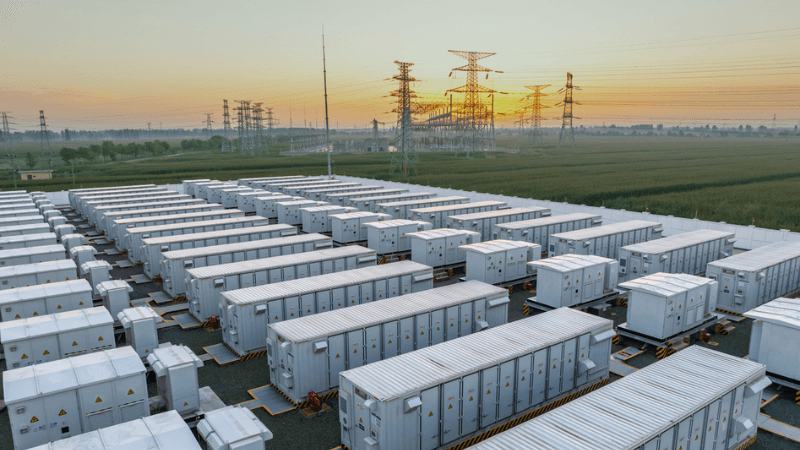
Australia's battery storage market is entering a significant period of expansion, with utility-scale projects becoming an increasingly important part of the country's electricity infrastructure. As investment in battery energy storage systems (BESS) accelerates, grid connection challenges, transmission constraints, and complex commissioning requirements are influencing how quickly new projects can become operational.
Looking toward 2027, the challenge for developers is shifting from securing investment in battery storage to successfully delivering projects at scale. Although Australia's growing project pipeline demonstrates strong confidence in the sector, converting proposed capacity into operational infrastructure requires careful planning, technical expertise, and coordination with electricity network operators.
Why is Australia's battery storage market growing so quickly?
Battery energy storage systems are playing an increasingly important role in Australia's electricity transition, helping manage fluctuations in renewable generation and providing greater flexibility across the National Electricity Market (NEM). As solar and wind capacity increases, grid-scale batteries can store electricity during periods of high renewable output and deliver it when demand rises or generation falls.
The scale of Australia's battery storage investment demonstrates how quickly the sector is developing. According to the Clean Energy Council's October 2026 investment report, nine large-scale battery projects became operational during the first six months of 2026, adding 2.3 GW of power capacity and 7.1 GWh of energy storage. This exceeded the 2 GW and 5.1 GWh of battery capacity added throughout the whole of 2025.
Investment is also being supported by Australia's wider energy infrastructure requirements. The Australian Energy Market Operator (AEMO) identifies renewable generation, storage, and transmission investment as central components of its long-term electricity system planning. As aging coal-fired power stations retire and electricity demand changes, battery storage is expected to provide an increasingly important source of flexibility and support grid reliability.
However, growing investment does not automatically translate into faster project delivery. Developers must manage grid connection requirements, transmission capacity, equipment procurement, and commissioning before new facilities can begin commercial operation. These challenges are likely to remain significant as Australia approaches 2027.
What does Australia's growing grid connection pipeline mean for developers?
Australia's electricity connection pipeline has expanded rapidly, reflecting increasing interest in renewable energy generation and battery storage. However, the number of projects seeking grid access also highlights the pressure facing network operators and developers as they work to bring new infrastructure online.
According to AEMO's September 2026 Connections Scorecard, approximately 80.9 GW of generation and storage projects were progressing through the NEM connection process, representing a 43% increase over the previous year. Grid-scale batteries accounted for 55% of the pipeline's capacity, while hybrid solar and battery developments represented a further 19%.
The figures demonstrate the scale of battery storage development, but not every project in the pipeline will necessarily reach commercial operation. Developers must progress through technical assessments, connection approvals, construction, registration, and commissioning before their facilities can operate at full capacity.
For battery storage companies, the growing pipeline creates opportunities alongside increased competition for suitable connection locations and infrastructure capacity. Projects with well-developed technical designs, realistic construction schedules, and manageable network requirements may be better positioned to progress than those facing extensive grid upgrades or unresolved connection issues.
As development continues into 2027, the ability to convert connection applications into operational facilities will become an important measure of progress across Australia's battery storage sector.
Why are grid connections challenging for Australian battery storage projects?
Connecting a utility-scale battery storage facility requires coordination between developers, network service providers, engineering consultants, and AEMO. Each project must demonstrate that its equipment can operate safely and reliably within the electricity network while meeting applicable technical performance requirements.
One of the main challenges involves assessing how battery storage systems interact with existing transmission infrastructure. Power system modeling is required to evaluate voltage control, system stability, fault behavior, and the performance of inverter-based technologies under different operating conditions.
These technical requirements become more complex as renewable energy generation increases and conventional power stations retire. Electricity networks must accommodate a growing number of inverter-based resources while maintaining the system strength and stability needed for reliable operations.
Developers may also face infrastructure constraints when selecting connection locations. Substation capacity, transformer availability, transmission congestion, and the potential need for network upgrades can influence project costs and development timelines.
Although AEMO and network operators continue working to improve connection processes, individual projects may still encounter delays during technical studies, equipment testing, and commissioning. Addressing these requirements during early development can help identify potential issues before they affect construction schedules or investment decisions.
How could grid-forming batteries change Australia's electricity network?
Grid-forming battery technology is becoming an important area of development as Australia's electricity system incorporates a larger share of renewable generation. Unlike conventional grid-following inverters, which synchronize with an existing electricity waveform, grid-forming inverters can establish and support voltage and frequency references, contributing to overall system stability.
These capabilities are particularly relevant as coal-fired power stations retire and the electricity system becomes increasingly dependent on inverter-based generation and storage. Grid-forming batteries can provide services that support system security, including voltage control and fast frequency response, although their contribution depends on equipment design, operating conditions, and system requirements.
AEMO's 2026 Integrated System Plan reported that approximately 70% of battery projects in the connection pipeline were associated with grid-forming inverters. This indicates growing interest in using battery storage to support electricity network stability alongside energy storage and dispatch.
However, integrating grid-forming technology introduces additional engineering considerations. Developers must demonstrate the performance of inverter control systems, validate technical models, and coordinate testing requirements with network operators.
As more projects incorporating grid-forming capabilities progress toward commissioning in 2027, technical understanding of these systems will become increasingly important. Their successful integration could help support Australia's changing electricity infrastructure, but project-specific testing and compliance requirements will remain central to delivery.
Which Australian states are driving battery storage development?
Australia's battery storage market is expanding across several states, although project requirements and development conditions vary considerably. Differences in renewable generation capacity, electricity demand, transmission infrastructure, and state energy policies influence where new facilities are being developed.
New South Wales: Supporting renewable energy zones and grid infrastructure
New South Wales is progressing significant renewable energy and transmission developments as part of its electricity infrastructure plans. Renewable Energy Zones are intended to coordinate new generation, storage, and network investment, creating opportunities for battery storage projects that can support electricity reliability and renewable integration.
However, the development of new energy infrastructure requires coordination across transmission planning, grid connections, and construction schedules. Battery storage developers must assess how proposed facilities interact with existing and planned network infrastructure, particularly where connection availability depends on wider transmission projects.
As renewable energy development progresses into 2027, grid readiness and infrastructure coordination will remain important considerations for companies planning battery storage investments in New South Wales.
Victoria: Managing renewable energy integration and storage requirements
Victoria's electricity system is undergoing significant changes as renewable energy generation expands and aging conventional power infrastructure approaches retirement. Battery storage is expected to play an important role in supporting grid flexibility, managing variable renewable output, and maintaining electricity reliability.
Developers must consider how battery storage projects interact with existing transmission infrastructure and planned network developments. Technical requirements, connection capacity, and system stability considerations may influence project locations and construction timelines.
Looking toward 2027, Victoria's continued renewable energy development could create further opportunities for battery storage. However, commercial viability will depend on project-specific grid access, investment conditions, and the ability to meet technical connection requirements.
Queensland: Expanding battery storage alongside renewable infrastructure
Queensland continues to attract interest in battery storage development as renewable generation increases and electricity infrastructure investment progresses. Large-scale solar developments and changing electricity demand are supporting opportunities for battery systems that can provide grid flexibility and manage periods of peak demand.
Battery storage projects in Queensland must account for transmission availability, network capacity, and technical integration requirements. Developers may also need to coordinate construction schedules with wider electricity infrastructure improvements, particularly in regions experiencing significant renewable energy development.
As the market approaches 2027, project readiness and grid connection planning will remain important for developers seeking to progress investments across the state.
South Australia: Building on an established battery storage market
South Australia has played an important role in the development of grid-scale battery storage in Australia, supported by high renewable energy penetration and investment in technologies that help maintain electricity system stability. Its experience with utility-scale batteries provides an established foundation for further storage integration and operational development.
As additional projects enter the market, developers must consider how battery storage systems contribute to grid stability and interact with existing renewable generation. The increasing use of advanced inverter technologies may create further requirements for technical testing and system performance assessment.
For companies planning projects in 2027, South Australia's experience demonstrates the importance of combining battery storage investment with effective grid integration and long-term operational planning.
How are transmission constraints affecting battery storage project delivery?
Transmission infrastructure plays an important role in determining where battery storage projects can connect and how effectively they can operate within the electricity system. Although battery storage can provide flexibility and support grid reliability, it cannot eliminate every constraint associated with limited transmission capacity.
Australia's electricity networks are undergoing significant changes as renewable generation expands and existing power stations retire. AEMO's 2026 Integrated System Plan identifies transmission investment alongside renewable generation and energy storage as part of the lowest-cost development pathway for the NEM.
For developers, the timing of transmission projects can influence battery storage investment decisions. Facilities located in areas with limited network capacity may require additional infrastructure upgrades or face restrictions on how much electricity they can import and export.
Connection constraints can also affect commercial performance. A battery facility may be technically capable of delivering significant output but face operational limitations due to network congestion or local system conditions.
As Australia moves into 2027, understanding transmission infrastructure requirements will remain important for assessing project locations and commercial viability. Developers that account for these conditions during early planning may be better positioned to manage connection risks and avoid unnecessary delays.
What challenges could affect battery storage construction and commissioning in 2027?
While grid access is an important milestone, completing construction and commissioning presents additional challenges for utility-scale battery storage developers. Projects require coordination across electrical engineering, civil construction, equipment installation, control systems, and network compliance.
Equipment procurement can influence construction schedules, particularly when facilities require specialized transformers, high-voltage components, inverters, and battery management systems. Developers must also consider how equipment specifications align with approved technical designs and grid connection requirements.
Commissioning can become particularly complex when testing identifies differences between modeled system performance and actual equipment behavior. Engineers may need to refine control settings, undertake additional performance tests, or address compliance requirements before a facility receives approval to operate at full capacity.
For projects using grid-forming inverters, technical validation may introduce additional considerations because the systems must demonstrate their ability to support grid stability under relevant operating conditions.
As more battery storage projects progress toward commissioning in 2027, coordination between developers, equipment manufacturers, engineering contractors, and network operators will remain important. Effective planning throughout the project lifecycle can help reduce technical uncertainty and support smoother transitions into commercial operation.
How can Australian developers prepare for battery storage challenges in 2027?
Developers entering 2027 will need to focus on technical readiness, grid connection planning, and the relationship between infrastructure requirements and project economics. With a substantial volume of battery storage capacity progressing through the NEM connection process, early identification of technical and commercial risks will remain important.
Engaging with network service providers during initial development can help establish connection requirements, available network capacity, and potential infrastructure upgrade costs. Developers should also consider how technical studies, approvals, and registration requirements could affect construction and commissioning schedules.
Project planning should account for the procurement of specialist electrical equipment and the coordination of engineering activities. Where grid-forming inverters or advanced control systems are involved, additional technical assessments may be necessary to demonstrate compliance with network requirements.
Developers should also evaluate the commercial implications of connection constraints. Transmission congestion, operating restrictions, and changing electricity market conditions can influence project revenues and investment assumptions, even after a facility becomes operational.
As the market becomes increasingly competitive, companies that combine technical feasibility with realistic project schedules and strong commercial planning may be better positioned to progress viable battery storage developments.
What does the 2027 outlook mean for Australia's battery storage market?
The outlook for Australia's battery storage market remains supported by renewable energy investment, electricity infrastructure development, and the growing need for grid flexibility. AEMO's latest connection data demonstrates substantial interest in new battery storage capacity, while recent commissioning figures indicate that projects are moving from development into operation.
However, the volume of proposed capacity also raises questions about how quickly Australia's electricity infrastructure can accommodate new connections. Transmission availability, technical compliance, construction readiness, and market conditions will continue to influence which projects progress.
The increasing adoption of grid-forming technology may also shape the next phase of development. As battery storage systems take on additional responsibilities for electricity network stability, developers and engineering teams will need to account for more complex performance requirements.
Looking toward 2027, successful battery storage development will depend on converting investment interest into operational infrastructure. Developers that address grid connection requirements early, coordinate technical activities effectively, and maintain realistic project schedules may be better positioned to manage the challenges associated with Australia's expanding battery storage sector.
Supporting battery storage infrastructure development in Australia
As battery storage projects increase in scale and technical complexity, access to experienced engineering and infrastructure professionals remains an important consideration for developers. Grid connection engineers, power systems specialists, electrical design professionals, construction managers, and commissioning engineers contribute to the delivery of facilities that must meet demanding technical and operational requirements.
LVI Associates supports organizations across renewable energy, power delivery, and battery storage infrastructure throughout Australia. Our recruitment specialists connect employers with experienced professionals across engineering, project development, construction, commissioning, and operations, helping companies access the technical capabilities required to deliver complex energy infrastructure projects.
Companies developing battery storage portfolios must consider how project schedules, grid connection requirements, and infrastructure investment affect their technical resourcing needs. Working with a recruitment partner that understands the Australian energy infrastructure market can help employers identify professionals with relevant project experience and specialist engineering capabilities.
Planning battery storage projects in Australia in 2027? Contact LVI Associates to discuss your engineering, renewable energy, and power delivery recruitment requirements.