

November 20266 min read
Battery Storage Grid Connection Challenges: What Developers Can Expect in 2027
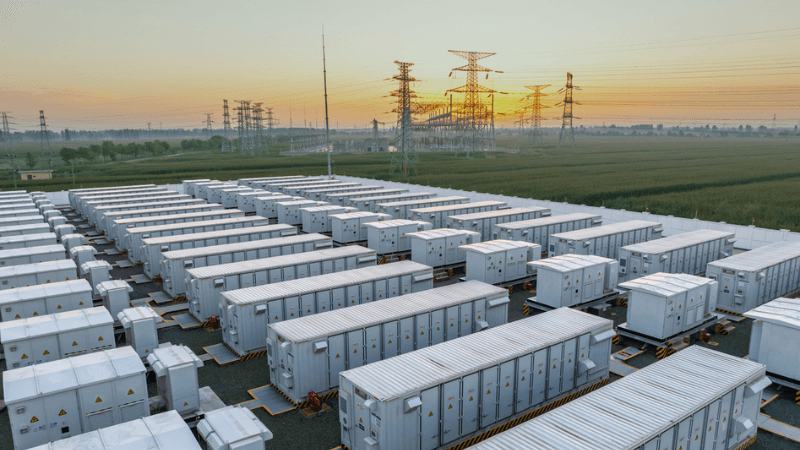
Battery storage grid connection challenges are expected to remain a significant obstacle for renewable energy developers in 2027, as electricity networks struggle to accommodate growing demand for grid-scale energy storage. Although investment in battery energy storage systems (BESS) continues to expand, connection delays, infrastructure constraints, and evolving regulations are influencing which projects can move toward construction and commercial operation.
As governments and grid operators introduce reforms to address connection backlogs, 2027 could become an important year for developers seeking greater certainty around project timelines and investment decisions. However, securing grid capacity is only part of the challenge. Developers must also consider technical compliance, network infrastructure requirements, and the financial implications of connecting increasingly complex battery storage facilities.
Why are grid Connections a growing challenge for battery storage?
Battery energy storage systems are becoming an important part of electricity infrastructure, supporting renewable energy integration, managing fluctuations in electricity supply and demand, and providing flexibility to power grids. As solar and wind generation expands, battery storage helps electricity systems manage periods of variable renewable output and respond to changes in demand.
However, electricity infrastructure has not expanded at the same pace as generation and storage development. Many transmission and distribution networks require upgrades before additional projects can connect, while high volumes of interconnection requests have created substantial backlogs. According to the International Energy Agency (IEA), more than 2,500 GW of renewable energy, storage, and large electricity demand projects are currently stalled in grid connection queues worldwide.
These constraints create uncertainty for developers planning new battery storage facilities. Connection availability, network upgrade costs, and changing delivery timelines can influence project feasibility, financing, and construction schedules. As the market approaches 2027, developers will need to assess these risks earlier in the project lifecycle to determine which opportunities remain commercially viable.
How will grid connection reform affect battery storage projects in 2027?
Grid connection reform is expected to remain an important focus for electricity regulators and grid operators throughout 2027. Several markets are introducing measures to reduce speculative applications, improve transparency, and prioritize projects that demonstrate sufficient development progress.
In Great Britain, the National Energy System Operator (NESO) has introduced a revised connections process designed to prioritize projects that are ready to proceed and aligned with future electricity system requirements. Under the new framework, projects must meet specific readiness and strategic alignment criteria to obtain a confirmed connection offer.
The transition will continue into 2027. NESO's published timetable indicates that Gate 2 Phase 2 transmission connection offers are scheduled to be issued through mid-January 2027, while the corresponding distribution offers are scheduled through mid-March 2027. These milestones make the beginning of 2027 an important period for developers awaiting greater certainty about their projects.
For battery storage companies, changes to connection arrangements could influence investment decisions and project prioritization. Developers receiving revised connection offers will need to evaluate the technical and commercial implications, while projects that do not meet the necessary requirements may face further delays or changes to their development plans.
Why is the UK's battery storage connection queue under pressure?
The UK's battery storage market demonstrates how rapid project development can create challenges for electricity network planning. Although battery storage will play an important role in supporting renewable electricity generation, the volume of proposed projects substantially exceeds the capacity currently expected to be required.
In September 2026, Ofgem reported that approximately 90 GW of battery storage capacity was operational or included in the reformed connections queue, compared with a projected requirement of around 29 GW by 2035. This imbalance has raised questions about how effectively existing connection arrangements can prioritize viable projects while reducing capacity allocated to developments unlikely to proceed.
Ofgem subsequently consulted on introducing additional financial commitments for battery energy storage projects. The proposal was intended to discourage speculative applications and encourage developers to demonstrate greater commitment to advancing their projects. The eventual regulatory approach could influence how developers assess connection applications and investment risk in 2027.
For companies operating in the UK market, these developments reinforce the importance of project readiness. Securing planning approvals, demonstrating technical feasibility, and maintaining credible construction schedules may become increasingly important as the sector moves toward a more selective development environment.
What technical challenges could delay battery storage connections in 2027?
While regulatory reform may improve connection processes, engineering and infrastructure constraints will continue to affect the delivery of battery storage projects. Connecting utility-scale facilities requires detailed technical assessments to establish how battery systems will interact with existing electricity networks and comply with relevant operating standards.
Power system modeling, voltage control, electrical protection, and inverter performance are among the technical considerations that influence connection design. Developers may also need to account for substation upgrades, transformer capacity, and network improvements, particularly in areas where existing infrastructure is operating close to its available capacity.
These requirements can affect project timelines even after a connection offer has been secured. Changes to technical specifications, equipment procurement schedules, or network construction programs may create additional delays before commissioning can begin. As a result, coordination between developers, engineering contractors, equipment manufacturers, and grid operators will remain important throughout 2027.
Could new grid technologies help accelerate battery storage connections?
Improving the use of existing electricity infrastructure could provide opportunities to reduce connection delays without waiting for extensive network expansion. Technologies that increase network flexibility and improve capacity management are attracting attention as electricity systems respond to growing demand.
The IEA estimates that grid-enhancing technologies and more flexible connection arrangements could collectively allow approximately 1,200 GW to 1,600 GW of advanced-stage projects to connect worldwide. These approaches include dynamic line ratings, advanced power flow control, and conditional connection agreements that allow grid operators to manage capacity more effectively.
For battery storage developers, flexible connections and co-located renewable energy projects could provide alternative routes to market in suitable locations. Combining battery storage with solar or wind generation may allow projects to share existing infrastructure, although the commercial benefits depend on network requirements, operating restrictions, and local market conditions.
As these approaches develop, 2027 could see greater emphasis on optimizing existing connections alongside investment in new grid capacity. However, technical feasibility and regulatory approval will continue to determine where these solutions can be deployed.
How Can Developers Prepare for Battery Storage Grid Connection Challenges in 2027?
Developers entering 2027 will need to place greater emphasis on technical feasibility, network availability, and the commercial implications of connection delays. As regulatory requirements evolve, early engagement with grid operators can help identify potential constraints before significant investment commitments are made.
Project planning should also account for the relationship between grid connection milestones, equipment procurement, and construction schedules. Where network upgrades or specialized electrical equipment are required, developers may need to consider longer delivery periods and potential changes to technical specifications. Aligning these requirements with financing and project development decisions can help reduce exposure to avoidable delays.
Engineering capabilities will remain an important part of this process. Power systems engineers, grid connection specialists, and electrical design professionals contribute to technical assessments, interconnection applications, and infrastructure planning. Their involvement during early development can help identify issues that might otherwise affect construction or commissioning at a later stage.
What does the 2027 outlook mean for battery storage investment?
The outlook for battery storage remains supported by renewable energy development, electricity demand growth, and the need for greater grid flexibility. The IEA forecasts global electricity demand growth of approximately 3.8% in 2027, reflecting continued electrification and increasing consumption across industries, transportation, and data centers.
However, stronger electricity demand does not automatically translate into faster battery storage development. Connection availability, regulatory requirements, and project economics will continue to influence which investments move forward. Developers may increasingly focus on projects with established grid access, suitable locations, and credible construction schedules rather than expanding development pipelines without confirmed delivery prospects.
The distinction between proposed capacity and projects that are ready for delivery is likely to become particularly important in markets with substantial connection backlogs. As regulators continue refining connection processes, developers and investors will need to assess how policy changes affect project prioritization, risk, and long-term commercial viability.
What does the future hold for battery storage grid connections?
Looking toward 2027, battery storage developers face a market in which electricity infrastructure constraints could remain as important as technology costs and renewable energy demand. Grid connection reform, network investment, and the adoption of more flexible operating arrangements may improve development conditions, but progress will depend on how effectively regulatory and technical challenges are addressed.
The next phase of battery storage development is likely to place greater emphasis on project quality, infrastructure readiness, and the ability to meet connection requirements. Companies that take a coordinated approach to technical planning, regulatory compliance, and project delivery will be better positioned to respond to changing market conditions and advance viable battery storage projects.
Supporting battery storage infrastructure development
As battery storage projects become more technically demanding, access to experienced engineering and infrastructure professionals remains an important part of successful project delivery. Grid connection specialists, electrical engineers, construction managers, and commissioning professionals support developers in managing network requirements, infrastructure upgrades, and complex construction programs.
LVI Associates supports organizations across renewable energy, power delivery, and battery storage infrastructure by connecting employers with specialized engineering and project delivery professionals. Our recruitment teams work with companies throughout the infrastructure lifecycle, helping them access the expertise needed to manage technical challenges and deliver energy projects.
Planning battery storage projects in 2027? Contact LVI Associates to discuss your engineering and infrastructure recruitment requirements.