

November 20266 min read
Battery Storage Grid Interconnection Challenges: What US Developers Can Expect in 2027
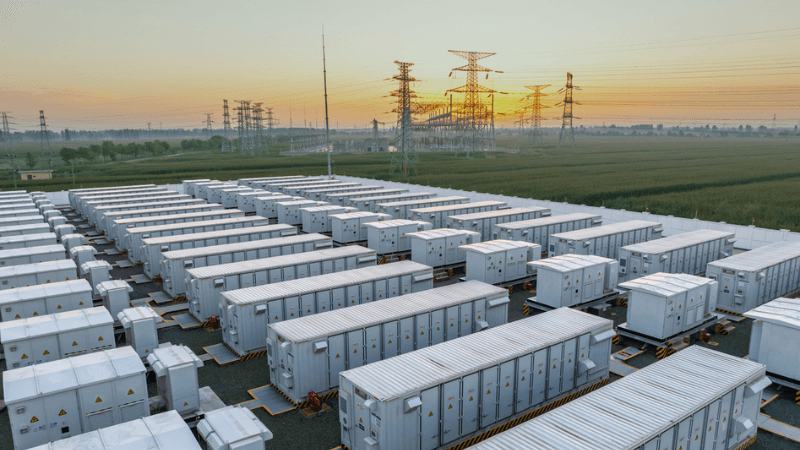
Battery storage grid interconnection challenges are expected to remain a significant obstacle for US renewable energy developers in 2027, as electricity infrastructure struggles to keep pace with expanding energy storage capacity. Despite continued investment in battery energy storage systems (BESS), lengthy interconnection queues, transmission constraints, and evolving regulatory requirements are creating uncertainty around project timelines and commercial viability.
With federal interconnection reforms being implemented and electricity demand increasing across the United States, 2027 could become an important year for developers seeking greater certainty around grid access. However, securing an interconnection agreement is only one part of the development process. Companies must also account for transmission upgrade costs, technical compliance, equipment availability, and the financial implications of delays before projects can begin commercial operations.
Why are grid interconnections a growing challenge for US battery storage?
Battery energy storage systems are becoming an increasingly important part of US electricity infrastructure, supporting renewable energy integration, improving grid flexibility, and helping manage fluctuations in electricity supply and demand. As solar and wind generation expands, battery storage is providing additional capacity to support grid reliability, particularly during periods of peak electricity demand.
The scale of investment reflects this growing role. According to the US Energy Information Administration (EIA), utility-scale battery storage capacity reached 43.6 GW by the end of 2025, following an average annual growth rate of 70% over the previous three years. Capacity continued increasing during the first half of 2026, reaching nearly 52 GW as developers brought additional projects online.
However, transmission infrastructure and interconnection processes have struggled to accommodate the volume of proposed energy projects. Battery storage developers must complete technical studies, obtain interconnection agreements, and address potential network upgrades before connecting to the grid. These requirements can introduce significant delays, particularly in regions experiencing high demand for new generation and storage capacity.
As the market approaches 2027, developers will need to assess grid availability and interconnection requirements earlier in the project lifecycle. Projects with favorable locations, manageable upgrade costs, and realistic development schedules may be better positioned to attract investment and move toward construction.
How are interconnection queues affecting US battery storage development?
Interconnection queues have become one of the most significant challenges facing new energy infrastructure projects across the United States. Before connecting to the transmission system, developers must submit interconnection requests and complete engineering studies to determine how their projects will affect grid reliability and what infrastructure improvements may be required.
According to Lawrence Berkeley National Laboratory's Queued Up: 2026 Edition, approximately 749 GW of energy storage capacity was actively seeking grid interconnection at the end of 2025. The wider queue contained more than 2,060 GW of proposed generation and storage capacity across approximately 8,200 projects, demonstrating the scale of demand for access to existing transmission infrastructure.
Although the total volume of capacity in active queues declined by approximately 10% during 2025, project development timelines remain a concern. Berkeley Lab reported that projects reaching commercial operation in 2025 had spent a median of more than five years progressing from their initial interconnection request to operation, based on regions with available data.
These delays create challenges for developers managing financing arrangements, equipment procurement, and construction schedules. Extended timelines can increase development costs and introduce uncertainty around project economics, particularly when interconnection studies identify additional transmission upgrades.
The large amount of proposed capacity should not be interpreted as a forecast of future installations. Historically, many projects have withdrawn from interconnection queues before reaching construction, highlighting the difference between development interest and commercially viable capacity.
How will FERC interconnection reforms affect battery storage projects in 2027?
The Federal Energy Regulatory Commission (FERC) has introduced reforms intended to address interconnection backlogs and improve the efficiency of connecting new generation and storage resources to the transmission system. These changes could play an important role in determining how battery storage projects progress through interconnection studies in 2027.
Under FERC Order No. 2023, issued in July 2023, transmission providers are required to transition from a first-come, first-served interconnection process toward a first-ready, first-served cluster study approach. Rather than studying projects individually, cluster studies evaluate groups of interconnection requests together, allowing transmission providers to assess their combined impact on the electricity network.
The reforms also introduce stronger financial readiness and site control requirements intended to discourage speculative applications. Developers must demonstrate greater commitment to their projects, while transmission providers face additional requirements designed to improve study timelines and transparency. FERC subsequently issued Order No. 2023-A in March 2024 to clarify and revise elements of the original rule.
For battery storage developers, these changes could improve the predictability of interconnection processes as implementation progresses. However, the practical impact will vary between regional transmission organizations, independent system operators, and utilities, depending on their existing procedures and transition arrangements.
By 2027, developers will need to understand how the revised requirements apply within their target markets. Greater emphasis on project readiness could benefit companies with well-developed proposals, but higher financial commitments and stricter application requirements may create additional barriers for projects at earlier development stages.
Which US markets face the greatest battery storage interconnection challenges?
Battery storage development is expanding across several major US electricity markets, although the challenges facing developers differ considerably by region. Transmission availability, market structure, permitting requirements, and interconnection procedures all influence the commercial prospects of new projects.
Texas: Rapid battery storage growth and transmission constraints
Texas has become one of the largest markets for battery energy storage development in the United States, supported by renewable energy expansion, electricity demand growth, and the structure of the Electric Reliability Council of Texas (ERCOT) wholesale electricity market.
The EIA reported that developers planned approximately 12.9 GW of battery storage additions in Texas during 2026, representing more than half of the country's planned additions at the time of its February 2026 forecast. This level of activity highlights the scale of investment in the state's energy storage infrastructure and the importance of managing grid integration requirements.
However, rapid development can place additional pressure on transmission infrastructure and project economics. Developers must assess local transmission capacity, congestion, equipment requirements, and changing market conditions when selecting sites and planning construction. As battery penetration increases, maintaining commercial viability may become as important as securing grid access.
California: Integrating battery storage into an established renewable energy market
California remains a major market for utility-scale battery storage, driven by extensive solar generation, electricity reliability requirements, and the need to manage changing demand patterns. Battery storage plays an important role in shifting renewable electricity to periods when solar generation is lower, helping the state manage evening demand and grid reliability.
Despite its established battery storage market, developers face interconnection and transmission planning challenges. Projects must account for California Independent System Operator (CAISO) procedures, available transmission capacity, network upgrade requirements, and the technical demands of connecting large-scale storage facilities.
Looking toward 2027, developers will need to consider how transmission investment and interconnection study processes affect project readiness. Opportunities may be particularly attractive where existing infrastructure can accommodate new capacity without extensive upgrades, although location-specific technical assessments will remain necessary.
Arizona: Expanding battery storage alongside solar development
Arizona is emerging as an increasingly important battery storage market, supported by strong solar resources, utility investment, and growing electricity demand. According to the EIA's February 2026 outlook, developers planned approximately 3.2 GW of additional utility-scale battery storage capacity in Arizona during 2026.
The expansion of solar and battery storage projects creates opportunities for developers seeking to support electricity reliability and manage peak demand. However, securing suitable interconnection locations and coordinating infrastructure development can influence which projects progress toward construction.
As development activity continues into 2027, early evaluation of transmission capacity, utility requirements, and project economics will remain important. Developers will also need to account for the technical requirements associated with combining battery storage and solar generation within increasingly complex energy systems.
What technical challenges could delay US battery storage connections in 2027?
Although regulatory reforms aim to improve interconnection processes, technical and infrastructure constraints will continue to influence battery storage project delivery. Connecting utility-scale BESS facilities requires detailed engineering assessments to determine how battery systems interact with transmission infrastructure and comply with applicable grid requirements.
Power system modeling, inverter performance, voltage control, electrical protection, and system stability are among the technical considerations that can influence interconnection studies. Developers may also need to address substation capacity, transformer availability, and transmission upgrades before a facility can begin operating.
Battery storage projects present particular technical considerations because they can operate as sources of electricity and as loads when charging. This requires appropriate modeling assumptions and coordination with grid operators to assess how storage systems will affect network conditions under different operating scenarios.
Even after an interconnection agreement has been secured, infrastructure construction and commissioning requirements can introduce additional delays. Changes to equipment specifications, transmission upgrade schedules, or technical compliance requirements may affect when a facility is ready to enter commercial operation.
For developers targeting 2027 commissioning dates, coordination between engineering consultants, equipment suppliers, EPC contractors, and grid operators will remain important. Addressing technical requirements during early development can help identify potential constraints before they affect procurement and construction activities.
Could co-located battery storage help address interconnection challenges?
Co-locating battery storage with renewable energy generation is gaining attention as developers seek to maximize existing infrastructure and improve project economics. Combining battery storage with solar or wind facilities can allow multiple technologies to share electrical infrastructure and, in suitable circumstances, use a common point of interconnection.
The EIA reported in October 2026 that more than 16% of new utility-scale solar capacity installed in the United States during the first nine months of 2026 was co-located with operational battery storage. Developer plans submitted to the agency suggest that the proportion could exceed 30% for solar projects scheduled to begin operating in 2027 and 2028.
FERC's interconnection reforms also address co-located generation and storage resources. Order No. 2023 requires transmission providers to allow eligible facilities to share a single interconnection request when located behind the same point of interconnection, creating a more standardized approach to evaluating these configurations.
For developers, co-location may provide commercial and operational advantages, particularly where existing infrastructure can support additional storage capacity. However, shared infrastructure does not automatically remove interconnection constraints, and projects must still satisfy applicable technical, operational, and regulatory requirements.
As the US market moves into 2027, co-located projects may become an increasingly important part of battery storage development strategies. Their commercial attractiveness will depend on factors such as electricity pricing, transmission capacity, operating restrictions, and the costs associated with integrating multiple technologies.
How can US developers prepare for battery storage interconnection challenges in 2027?
Developers planning battery storage projects in 2027 will need to prioritize grid access, technical feasibility, and commercial readiness throughout the development process. With interconnection queues remaining substantial, understanding local transmission conditions before committing to a project location can help identify potential risks and reduce unnecessary development costs.
Early engagement with transmission providers and relevant regional grid operators can help clarify study requirements, potential upgrade costs, and application timelines. Developers should also consider how FERC's revised interconnection framework affects financial commitments, site control requirements, and the documentation needed to progress through cluster studies.
Project schedules should account for the relationship between interconnection milestones, equipment procurement, and construction activity. Where substation improvements or transmission upgrades are required, developers may need to plan for extended lead times and coordinate closely with utilities and engineering contractors.
Specialist engineering capabilities will also remain important as battery storage projects become increasingly complex. Power systems engineers, interconnection specialists, and electrical design professionals support developers in completing technical assessments, evaluating infrastructure requirements, and addressing grid compliance issues.
For companies developing multiple projects across different US markets, regional knowledge will be particularly valuable. Interconnection requirements and market conditions can vary considerably, making a standardized national development strategy less effective without appropriate local technical expertise.
What does the 2027 outlook mean for US battery storage investment?
The outlook for US battery storage remains supported by electricity demand growth, renewable energy development, and the increasing need for grid flexibility. According to the EIA, US operators expected to bring approximately 54 GW of additional utility-scale battery storage capacity online between July 2026 and the end of 2028, based on project plans reported during the first half of 2026.
These plans demonstrate continued interest in battery storage investment, but actual deployment will depend on project economics, permitting, grid access, and construction readiness. Interconnection delays and infrastructure upgrade costs could influence which projects reach financial close and progress toward commercial operation.
The gap between proposed projects and operational capacity remains particularly significant. Berkeley Lab's 2026 analysis found that only 13% of capacity entering interconnection queues between 2000 and 2020 had reached commercial operation by the end of 2025, while 75% had been withdrawn. Although these historical figures cover multiple generation and storage technologies, they demonstrate why developers and investors must distinguish between interconnection requests and projects likely to be completed.
As the market approaches 2027, investment decisions may increasingly favor projects with advanced interconnection status, manageable infrastructure requirements, and credible delivery schedules. Developers that can demonstrate technical and commercial readiness may be better positioned to secure financing and progress projects in a competitive market.
What does the future hold for US battery storage grid interconnections?
Looking toward 2027, the US battery storage market faces a period in which grid infrastructure constraints, regulatory reforms, and project economics will continue to influence development activity. Although federal interconnection reforms are intended to reduce backlogs and improve study processes, their effectiveness will depend on implementation by transmission providers and the availability of sufficient grid capacity.
Growing battery storage deployment will also increase the importance of transmission planning, power system engineering, and coordination between utilities, developers, and equipment manufacturers. Projects that can demonstrate strong technical readiness and realistic construction schedules may be better positioned to manage interconnection uncertainty.
The next phase of US battery storage development is likely to place greater emphasis on converting project pipelines into operational facilities. For developers, understanding regional market conditions, securing viable grid connections, and managing technical risks will remain important considerations as the industry moves into 2027.
Supporting battery storage infrastructure development across the United States
As US battery storage projects expand in scale and complexity, access to experienced engineering and infrastructure professionals remains an important part of project delivery. Interconnection specialists, electrical engineers, transmission planning professionals, construction managers, and commissioning engineers support developers in managing technical requirements, infrastructure upgrades, and complex construction programs.
LVI Associates works with organizations across renewable energy, power delivery, and battery storage infrastructure, connecting employers with specialized engineering and project delivery professionals throughout the United States. Our recruitment specialists understand the technical requirements of energy infrastructure projects and support companies seeking the expertise needed to manage development challenges and deliver critical projects.
Planning battery storage projects in 2027? Contact LVI Associates to discuss your engineering, power delivery, and energy infrastructure recruitment requirements.