May 2026Harry Morgan4 min read
MV and HV Grid Engineer Salary Trends in Germany, 2026
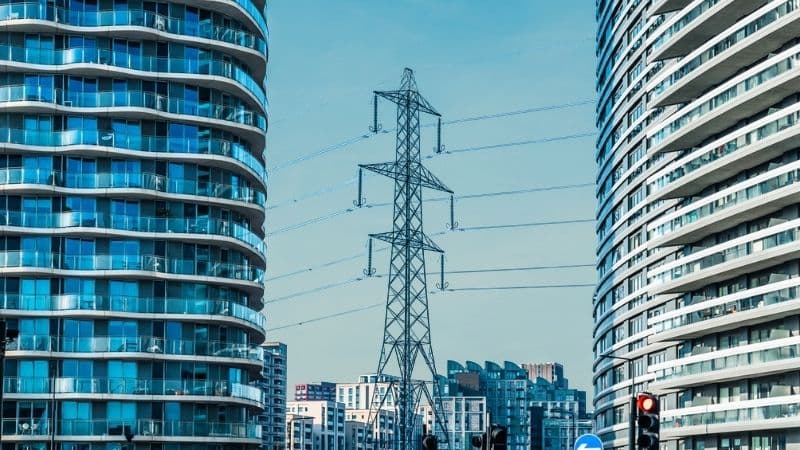
Germany’s grid engineers’ salaries are being shaped less by expansion and more by constraint. As renewable energy capacity continues to increase, the limiting factor is no longer generation, but the ability of the grid to transport and balance that energy. This is driving sustained demand for MV and HV engineers who can manage system stability, transmission upgrades, and network expansion.
Key market pressures
56%
of Germany’s electricity comes from renewables
16,800 km
of grid expansion required across Germany
These figures highlight the scale of infrastructure pressure, where grid capacity is struggling to keep pace with renewable generation.
Germany grid engineers’ salary benchmarks
Grid engineers operate within structured salary frameworks, but demand is increasing steadily as infrastructure investment accelerates. The pressure is most visible at the senior level, where engineers with system-level experience are in short supply.
| Level | Experience | Salary Range |
| Mid-Level | 3-5 years | €70,000 |
| Senior | 5-10 years | €90,000 – €115,000 |
| Principal / Manager | 10+ years | €110,000 – €140,000+ |
Salary growth remains controlled, but companies are becoming more flexible at the senior level, where delivery risk is higher, and project timelines are impacted by delays.
Why is grid infrastructure under pressure?
Germany’s energy transition has accelerated the generation faster than infrastructure can adapt. Wind energy is concentrated in northern regions, while demand remains higher in the south, creating a structural imbalance that requires large-scale transmission upgrades.
Grid expansion projects are complex and often delayed by permitting processes, regulatory requirements, and local opposition. As a result, infrastructure is not scaling at the same pace as renewable capacity, increasing pressure on existing networks and creating risk around system stability. This challenge is widely recognised in Germany’s energy transition, where grid development is a key constraint on further renewable expansion.
From what we are seeing across our renewables and grid projects at LVI Associates, this is translating directly into hiring demand. Clients are looking for engineers who can operate across both technical delivery and project coordination, particularly in environments where timelines are extended and stakeholder management is critical.
For employers, this is increasing the need for engineers who can operate within these constraints and deliver projects in regulated, multi-stakeholder environments, rather than purely design-focused roles.
Where demand for grid engineers is highest
Demand is driven by network pressure rather than manufacturing activity.
Northern regions such as Lower Saxony and Schleswig-Holstein are seeing strong demand due to wind generation and transmission requirements. These regions are among the leading areas for wind capacity expansion and grid connection activity, with both states consistently ranking among the top contributors to new installations and capacity additions in Germany. Engineers in these areas are focused on exporting energy and maintaining stability under variable supply conditions.
North Rhine-Westphalia remains a key area for grid reinforcement, where infrastructure upgrades are needed to support industrial demand and maintain resilience. The region leads Germany in newly approved and installed wind capacity, highlighting its role as both a generation and an infrastructure hub. Southern Germany, particularly Bavaria, is investing in network expansion to manage increasing reliance on imported energy, as renewable generation is lower compared to northern regions and requires stronger transmission links.
These regional dynamics reflect a broader structural imbalance in Germany’s energy system, where electricity generation is concentrated in the north while demand is higher in the south, requiring significant transmission expansion and long-term infrastructure investment. As a result, grid engineers are typically working on long-term infrastructure programmes rather than short-cycle projects.
What clients are saying about grid hiring
Grid hiring is constrained by experience rather than volume. Clients consistently report that engineers with MV and HV expertise, particularly those with exposure to grid stability and regulatory frameworks, are difficult to secure.
Grid time-to-hire benchmarks
8 to 12 weeks
average hiring timeline
10 to 14+ weeks
for senior or specialist roles
Clients highlight that delays are often caused by internal processes. Multiple approval stages, strict requirements, and limited flexibility are extending timelines.
At the same time, candidates are progressing through multiple processes and accepting competing offers when decisions are delayed. This is forcing companies to restart searches and increasing overall hiring costs.
The experience gap in grid engineering
The shortage in this market is not about the number of engineers, but the depth of experience. Engineers who can support design are available, but those who can deliver complex infrastructure projects are limited.
This gap is most visible in areas such as grid stability, transmission planning, and regulatory compliance. Engineers who can operate across technical delivery and system-level challenges are particularly difficult to source.
How does this differ from battery hiring
Grid hiring is driven by infrastructure constraints, while battery hiring is driven by deployment and scale. Storage systems can be delivered relatively quickly, but grid infrastructure requires long timelines, regulatory approval, and coordination across multiple stakeholders.
As a result, grid engineers are typically working on multi-year projects in regulated environments, focusing on system-level challenges rather than component-level delivery.
What grid engineers want
Engineers in this market prioritise stability, long-term project involvement, and technical depth. Unlike faster-moving sectors, grid infrastructure offers multi-year programmes, which appeal to engineers looking for continuity and the opportunity to see projects through from planning to delivery. Roles that provide exposure to large infrastructure upgrades, transmission expansion, and system-level challenges are particularly attractive.
There is also a clear preference for positions that go beyond pure design work. Engineers are increasingly looking for roles where they can be involved in project execution, stakeholder coordination, and decision-making across the full project lifecycle. This is especially relevant in grid projects, where regulatory frameworks, permitting, and cross-functional collaboration play a significant role.
Flexibility and work-life balance remain important, particularly given the long-term nature of grid projects and the potential for extended timelines. Hybrid working is now expected in many roles, even within traditionally office-based engineering environments.
Career progression is another key factor. Engineers are looking for clearly defined pathways into senior or principal roles, as well as opportunities to move into project leadership or management positions. Companies that can offer structured development, exposure to complex infrastructure projects, and a consistent pipeline of work are better positioned to attract and retain talent.
Finally, there is growing interest in roles that sit at the intersection of grid infrastructure and the energy transition. Engineers want to work on projects that have a clear impact, particularly those linked to renewable integration, grid modernisation, and long-term energy security.
Outlook for German grid engineering salaries
Salary growth will remain steady, with the strongest pressure at the senior level where supply is limited. As infrastructure constraints continue, demand for experienced engineers will remain high.
Hiring timelines are unlikely to shorten in the near term. Companies that improve hiring speed and remain flexible on requirements will be better positioned to secure talent.
Hiring grid engineers in Germany or looking for your next role
The German grid engineering market is defined by high demand and limited access to experienced professionals. The challenge is not identifying talent but securing it within competitive timelines.
At LVI Associates, we are seeing strong competition for engineers with experience in grid stability, transmission projects, and regulatory environments. Clients who move quickly and stay flexible on requirements are consistently more successful in securing talent.
We support organisations across power delivery and renewable infrastructure projects, helping them access engineers with the technical and project delivery experience needed to progress complex programmes.
Request a call back to discuss current market conditions and access grid engineering talent aligned to your requirements.
For professionals, the strongest opportunities are in roles linked to large-scale infrastructure and system-level challenges.
Register your CV to access current opportunities aligned to your experience and career goals.