

October 2026
How Offshore Wind Is Powering Underwater Data Centers
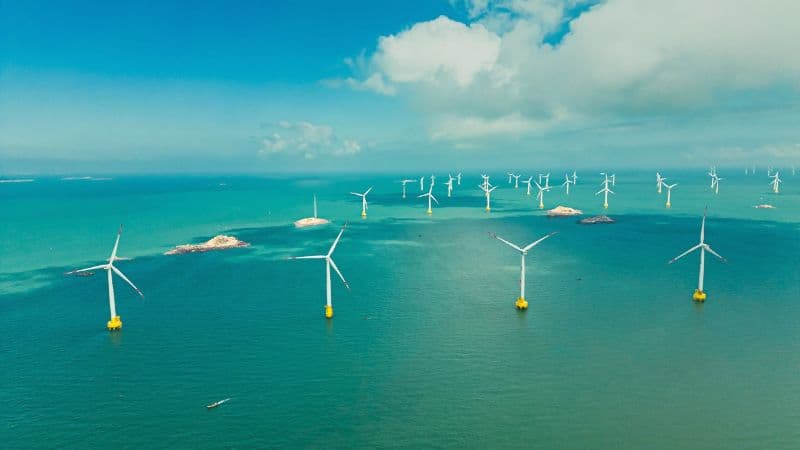
The growth of artificial intelligence (AI) and cloud computing is placing increasing pressure on electricity infrastructure, with data center developers facing challenges securing reliable power for new facilities. As demand continues to rise, developers are exploring opportunities to connect computing infrastructure directly to renewable energy generation. Offshore wind-powered data centers represent one emerging approach, combining renewable electricity with subsea computing facilities to reduce dependence on conventional land-based infrastructure.
The scale of the challenge is significant. According to the International Energy Agency's (IEA) 2026 Energy and AI analysis, global data center electricity consumption is projected to nearly double from approximately 485 terawatt-hours (TWh) in 2025 to 950 TWh by 2030. This growth is increasing pressure on electricity networks, particularly in regions where data center development is advancing faster than new generation and transmission infrastructure.
China's Shanghai Lingang project demonstrates how offshore renewable generation could support future computing infrastructure. By connecting underwater computing modules to offshore wind power, the development offers an alternative approach to electricity supply and infrastructure planning. However, integrating variable wind generation with the continuous power requirements of data centers presents electrical, commercial, and workforce challenges that could influence future projects.
Why are developers connecting data centers to offshore wind?
Electricity availability has become an increasingly important consideration for data center development. Large computing facilities require substantial amounts of power, while grid connection delays and limitations in existing electrical infrastructure can affect project timelines. As we explore in our article, Data Centers Are Forcing a New Power Debate, securing dependable electricity is influencing site selection, investment decisions, and long-term infrastructure planning.
Offshore wind offers developers access to large-scale renewable electricity generation, particularly in coastal regions with established wind energy infrastructure. Locating computing facilities near offshore wind farms could allow electricity to be transmitted directly to data center equipment through dedicated subsea connections, potentially reducing reliance on certain sections of the onshore transmission network. This approach may be particularly attractive where existing grid infrastructure is constrained or where developers are seeking closer integration between power generation and electricity demand.
However, proximity to renewable generation does not remove the need for dependable electrical infrastructure. Offshore wind output varies according to weather conditions, while data centers require consistent power to support computing operations. Developers must therefore consider how renewable generation can be integrated with grid connections, energy storage, and backup systems to maintain operational reliability. This creates an important distinction between sourcing renewable electricity and maintaining an uninterrupted supply, with the latter requiring additional investment in electrical infrastructure and system redundancy.
Shanghai Lingang: A new approach to offshore wind and computing infrastructure

China's Shanghai Lingang development provides a practical example of how offshore wind generation can be integrated with underwater computing infrastructure. The Shanghai Lingang underwater data center began operating in May 2026, approximately 10 kilometers off the coast of Shanghai. The project has a planned total capacity of 24 megawatts (MW), marking an important development in the commercial application of offshore wind-powered computing infrastructure.
The electrical infrastructure behind the project is particularly significant. Its direct offshore wind connection allows electricity generated by nearby wind farms to reach submerged computing modules through dedicated subsea cables, rather than routing all power through conventional onshore networks. This arrangement demonstrates how renewable electricity generation and critical computing equipment can be planned together within a coordinated infrastructure project.
However, this model also places greater importance on subsea cable reliability, electrical protection, and coordination between offshore energy generation and data center operations. Developers must account for the requirements of these interconnected systems, particularly where access to electrical equipment is limited and offshore repairs require specialized resources.
The project has also attracted attention for its reported energy performance. According to Chinese government reporting, the facility is designed to use more than 95% green electricity while reducing electricity consumption by 22.8% compared with conventional land-based data centers. These figures reflect project-specific design claims rather than independently established results applicable to all offshore facilities.
The significance of Shanghai Lingang extends beyond its cooling technology. Its connection to offshore wind generation provides a case study in how energy infrastructure and computing capacity could be developed together. For developers, this raises questions about the commercial benefits of locating energy-intensive operations closer to renewable generation rather than relying entirely on established grid infrastructure.
The challenge of delivering reliable power from offshore wind
Although offshore wind can generate substantial amounts of electricity, maintaining a reliable supply to critical computing equipment remains one of the main challenges of integrating these technologies. Data centers require stable power quality, electrical protection, and sufficient redundancy to prevent interruptions that could affect operations. Unlike some industrial facilities that can adjust production according to electricity availability, computing infrastructure generally requires a continuous supply to maintain service reliability.
Wind generation is inherently variable. Changes in wind speed can cause electricity output to fluctuate, while planned maintenance or unexpected equipment failures can temporarily reduce generation. For a data center connected directly to offshore wind infrastructure, these variations create additional requirements for power management, electrical protection, and system resilience.
Battery energy storage systems could play an important role in managing these fluctuations. Batteries can help stabilize short-term changes in electricity supply, support power quality, and provide temporary backup during interruptions. However, battery storage alone may not be sufficient to support prolonged periods of low wind generation, particularly for facilities with substantial and continuous electricity requirements. Developers may therefore need to combine storage with grid connections, backup generation, and redundant electrical distribution systems.
The IEA's 2026 Energy and AI analysis highlights the growing importance of battery storage in data center infrastructure, estimating that approximately 20 to 25 gigawatts (GW) of battery storage power capacity could be installed at data centers globally by 2030. Although this forecast applies to data centers generally rather than offshore installations specifically, it demonstrates the increasing role of storage in maintaining power reliability.
Integrating these systems requires detailed electrical design and feasibility assessments. Engineers must evaluate power quality, generation variability, backup capacity, and fault protection to determine how renewable electricity can support critical computing workloads. The challenge is not simply connecting a data center to a wind farm, but developing a complete electrical system capable of maintaining dependable operations under changing supply conditions.
Is direct offshore wind power commercially competitive for data centers?
For developers, the commercial case for connecting data centers directly to offshore wind depends on more than the availability of renewable electricity. Dedicated subsea cables, offshore installation, electrical protection equipment, and backup power infrastructure can increase upfront investment. These costs must be assessed against potential benefits such as reduced dependence on congested onshore networks and access to renewable generation close to the computing facility.
Project location is a significant factor in determining financial viability. The distance between a wind farm and computing facility influences subsea cable requirements and installation costs, while existing transmission infrastructure can affect the expense of securing alternative electricity supplies. Developers must also account for marine construction conditions, regulatory approvals, specialized equipment, and the cost of maintaining offshore electrical connections throughout the facility's operating life.
The financial comparison also depends on the reliability of renewable generation and the backup infrastructure required to maintain continuous computing operations. Direct wind connections may reduce certain transmission requirements, but they do not eliminate the need for dependable electricity during periods of low generation. Battery storage, grid connections, and redundant power systems can therefore become substantial components of the project's overall cost.
For investors and infrastructure developers, these considerations make project-specific financial assessments essential. While offshore wind integration could offer advantages in selected coastal locations, its commercial competitiveness against conventional grid-connected facilities has not yet been demonstrated at scale. Long-term operating data from projects such as Shanghai Lingang will help establish how the potential benefits compare with construction, maintenance, and power reliability costs.
What engineering expertise is required for offshore wind integration?
Integrating offshore wind with underwater computing infrastructure requires specialized expertise across power systems, electrical engineering, and offshore construction. Many of these capabilities already exist within renewable energy and conventional data center development, but combining them creates additional technical demands. As developers consider direct renewable electricity connections, identifying professionals with experience across these disciplines could become an important part of workforce planning.
The development of offshore wind-powered data centers could increase demand for professionals with expertise across several engineering disciplines, including:
- Power systems engineers: Designing electrical networks that integrate offshore wind generation, grid connections, and backup power systems.
- Subsea electrical engineers: Developing and maintaining underwater power cables, electrical connections, and fault protection systems.
- Renewable energy engineers: Supporting offshore wind integration, electricity generation, and energy storage solutions.
- Commissioning engineers: Testing electrical infrastructure and verifying system performance before facilities become operational.
- Construction and project managers: Coordinating offshore installation, electrical infrastructure development, and project delivery across multiple contractors.
These roles already exist across renewable energy, power infrastructure, and conventional data center development. However, combining offshore wind generation with critical computing facilities could increase demand for professionals who understand the technical requirements of multiple sectors. Employers may need engineers who can coordinate complex electrical systems while accounting for the additional challenges of offshore installation and limited equipment access.
The combination of these requirements could also create workforce challenges. Many of the electrical and power systems skills needed for offshore wind-powered data centers are already in demand across renewable energy development, transmission and distribution, and conventional data center construction. Companies planning integrated energy and computing projects may therefore face competition for professionals with experience delivering complex electrical infrastructure.
For employers, this highlights the importance of identifying transferable skills and planning recruitment requirements early. Rather than relying exclusively on candidates with direct subsea data center experience, organizations may benefit from considering professionals with backgrounds in offshore wind, marine electrical infrastructure, power transmission, and mission-critical facilities.
What we're seeing across data center and energy infrastructure markets
At LVI Associates, we're seeing how growing demand for data center capacity is increasing the importance of power infrastructure and specialized engineering expertise. As developers explore renewable energy integration, the overlap between data centers, offshore wind, and electrical infrastructure is becoming increasingly relevant.
This is placing greater emphasis on professionals with experience in power systems, electrical engineering, and project delivery. While offshore wind-powered underwater data centers remain an emerging technology, the combination of these disciplines could create new opportunities for engineers with transferable skills.
What does offshore wind integration mean for infrastructure development?
Shanghai Lingang demonstrates how renewable electricity generation and computing infrastructure can be developed together, but the wider commercial application of this model remains uncertain. Its future will depend on how reliably direct offshore wind connections can support computing workloads, the costs of constructing and maintaining the required electrical infrastructure, and the economic benefits compared with conventional data center development.
For the engineering sector, offshore wind integration highlights the growing relationship between renewable generation, electrical transmission, and mission-critical infrastructure. Delivering these projects requires expertise across power systems, subsea electrical connections, offshore construction, and commissioning. As demand for computing capacity grows, developers may continue exploring how these disciplines can work together to support new approaches to infrastructure development.
The potential expansion of offshore wind-powered data centers also reinforces the importance of workforce planning. Employers will need to consider how specialized electrical and offshore engineering skills can support projects with increasingly complex technical requirements. While commercial adoption remains uncertain, the overlap between renewable energy and data center infrastructure could create further opportunities for professionals with experience across both sectors.
For a broader assessment of subsea computing technology, environmental considerations, and long-term viability, read our latest article on Underwater Data Centers: Innovation or Environmental Risk?, where our consultants explore the opportunities and challenges associated with this emerging technology.
At LVI Associates, we connect organizations with specialized professionals across data centers, power delivery, and engineering infrastructure. Through our data center recruitment services, we help employers identify the engineering, construction, and commissioning professionals needed to deliver complex infrastructure projects.
If your organization is developing data center or energy infrastructure, contact our team to discuss your hiring requirements and the technical expertise needed to support project delivery.